
Cold Room Refrigeration System Application Guide: Food, Meat, Seafood & Cold Chain
Cold Room Refrigeration System Application Guide: Food, Meat, Seafood & Cold Chain
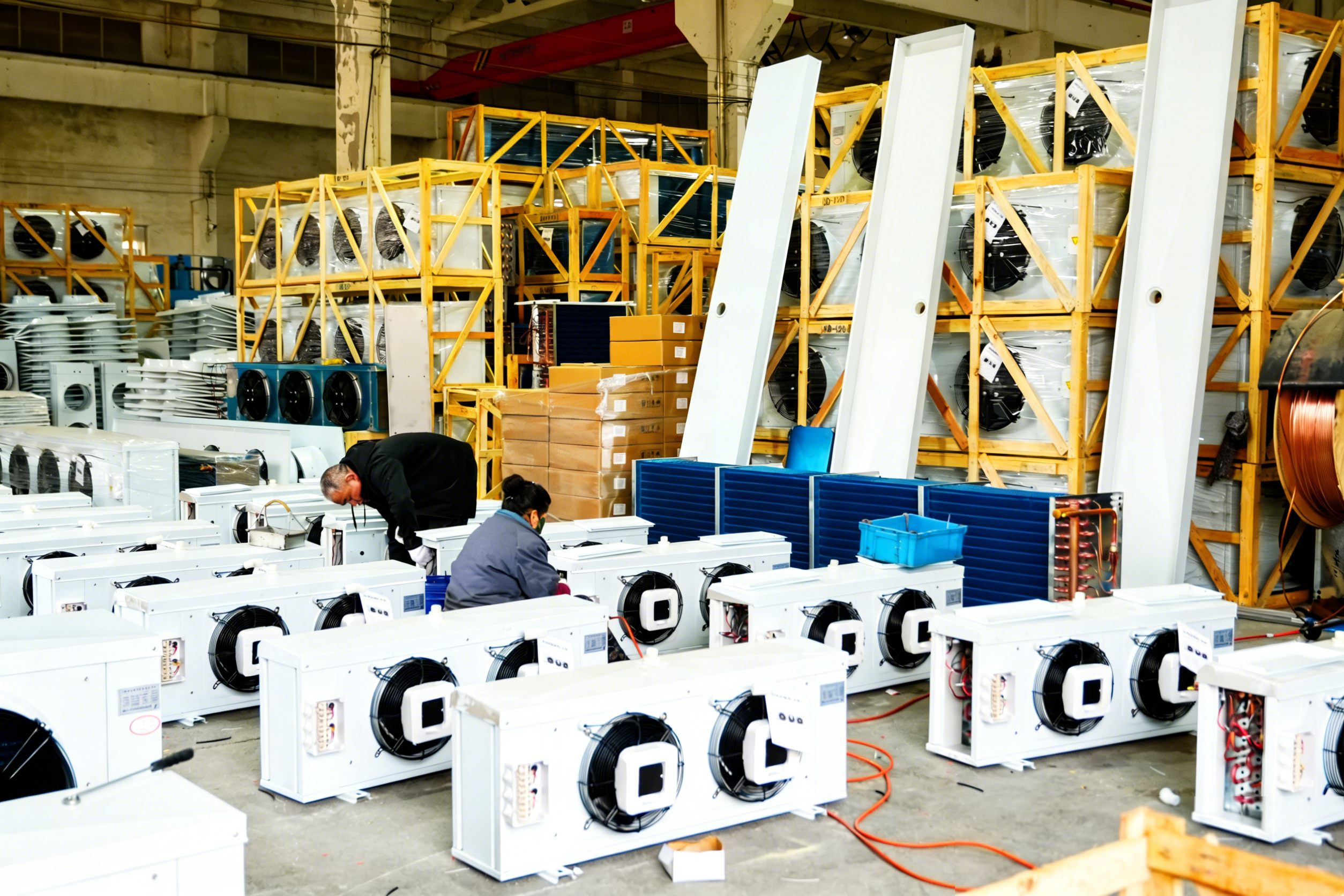
A cold room refrigeration system is specified by matching three variables to the room it serves: the temperature band, the air cooler series, and the condensing unit type. Across the -40 °C to +10 °C range used in food, meat, seafood and cold chain work that match is predictable. DL series air coolers serve fresh-keeping and chiller rooms at 0 °C to +10 °C. DD series serve freezer rooms around -18 °C. DJ series serve low-temperature rooms. Each cooler is then paired with an air cooled, water cooled, box type or semi-hermetic condensing unit built on Copeland or Bitzer compressors and running R404A, R507A or R22 refrigerant.
That mapping is what this guide delivers. It covers seven scenarios — food processing, chilled and frozen meat storage, seafood storage, cold storage warehouses, supermarkets and restaurants — and shows how the hardware changes between them. It also explains where OEM/ODM customization of voltage, size, fan quantity, material and outlet direction turns a one-off project quote into a repeatable supply arrangement for contractors, distributors and engineering teams.
Problem Definition: Why One Configuration Cannot Serve Every Cold Room
Most cold room problems are specification problems, not equipment failures. A system that is technically sound in a chiller room becomes the wrong system the moment it is applied to a freezer or a low-temperature room, because the physical demands change: moisture behaviour changes, defrost becomes a daily operating event rather than an occasional one, and the condensing unit has to hold a much wider temperature lift.
The recurring mismatches look like this:
- Cooler chosen by room volume only. Two rooms of identical size behave differently if one holds chilled carcasses and the other holds palletised frozen product. Air distribution, door traffic and product loading determine the useful result, not the floor area alone.
- Series chosen by habit. Teams that standardise on one air cooler series for every project end up with either an oversized chiller room or an under-performing freezer room.
- Condensing unit chosen without site conditions. Airflow, ambient temperature, water availability and available footprint decide whether an air cooled, water cooled or box type unit is the practical answer.
- Refrigerant fixed before compliance is checked. R404A, R507A and R22 are all available options, but the final selection has to survive the rules of the market where the room operates.
- Defrost and mounting decided last. These two details decide whether the room recovers quickly after a door opening or gradually drifts.
For a contractor or distributor, there is a second problem that sits above the technical one. If every project is specified from scratch, every project carries the same engineering time and the same risk. A cold storage solution that can be repeated — same cooler logic, same condensing unit family, same voltage and refrigerant baseline — is a commercial advantage, not just an engineering preference.
Industry Background: Why Application Mapping Now Drives Cold Chain Procurement
Cold chain capacity is being added across food retail, food processing and logistics, and the equipment market that supplies it is large and fragmented. Research and Markets, in its global refrigeration equipment report covering 2025-2030, puts the global refrigeration equipment market at USD 67.06 billion in 2024. The same report states that Carrier, Johnson Controls, Daikin, Trane and Ingersoll Rand together held a 25.2% revenue share in 2024 — meaning the majority of installed capacity is supplied outside that group, by regional and specialist manufacturers working project by project.
That structure explains why application language matters more than brand language during procurement. Manufacturers position the same core applications. Panasonic lists refrigeration solutions for convenience stores, supermarkets, service stations and cold rooms. Copeland lists condensing units for low-temperature applications including cold rooms, freezers, industrial chillers and pharmaceutical storage. When suppliers across regions describe the same rooms, buyers can compare configurations on application fit rather than on marketing claims.
The practical consequence is that the specification — temperature band, cooler series, condensing unit type, condenser arrangement, refrigerant, defrost and voltage — is the document that actually controls quality. Everything else in a quotation is secondary to it.
The Application Map: Scenario to Temperature Band to Hardware
The table below is the working map used in this guide. It is a starting point for specification, not a fixed rule: final selection follows a cooling load calculation, site conditions and the supplier's datasheet.
| Scenario | Room temperature band | Air cooler series | Condensing unit starting point | What to confirm |
|---|---|---|---|---|
| Food processing (fresh) | 0 °C to +10 °C | DL | Air cooled or box type | Airflow across product, coil cleaning access, defrost cycle |
| Chilled meat storage | 0 °C to +10 °C | DL | Air cooled or box type | Outlet direction, hanging layout, humidity retention |
| Frozen meat / frozen food storage | Around -18 °C | DD | Semi-hermetic (Copeland or Bitzer) | Defrost method, door traffic, product load |
| Seafood chilled storage | 0 °C to +10 °C | DL | Air cooled or box type | Humidity, coil material, drainage |
| Seafood low-temperature storage | Low-temperature part of the -40 °C to +10 °C range | DJ | Water cooled or semi-hermetic | Defrost, drainage, insulation continuity |
| Cold storage warehouse | Mixed — each room set separately | DL, DD or DJ per room | Multiple units, semi-hermetic for freezer zones | Zoning, condenser placement, control strategy |
| Supermarket / restaurant | 0 °C to +10 °C and around -18 °C | DL and DD | Box type or air cooled | Noise, footprint, voltage, service access |
Detailed Solution: Matching Air Coolers, Condensing Units and Condensers
The configuration logic below follows the product families offered by Clevier Refrigeration (Jiangsu) Co., Ltd., a refrigeration equipment manufacturer based in Wujin District, Changzhou City, Jiangsu Province, China. Its range covers cold room refrigeration systems, condensing units, cold room air coolers, evaporators, air cooled condensers and PU insulated panels, supplied for food processing, cold chain logistics, supermarkets, restaurants, agriculture, seafood and meat storage.
Air cooler series: DL, DD and DJ
The air cooler — also described as a cold room evaporator or cold room unit cooler — is the component inside the room. Its series determines which temperature band the room can hold reliably.
| Series | Room band | Typical applications | Selection focus |
|---|---|---|---|
| DL | 0 °C to +10 °C | Fresh-keeping rooms, chiller rooms, fruit and vegetable storage, chilled meat, supermarket back rooms | Air distribution that protects product, humidity retention, defrost economy |
| DD | Around -18 °C | Freezer rooms, frozen meat, frozen food storage, walk-in freezer | Defrost method and cycle frequency, air throw, recovery after door openings |
| DJ | Low-temperature rooms | Low-temperature cold storage, seafood freezing and holding rooms | Defrost reliability, drainage, coil durability, temperature stability |
DL is the workhorse of the food chain. Most fresh food, chilled meat and seafood holding rooms sit inside the 0 °C to +10 °C band, where the design priority is even air movement without drying the product. DD moves the room to freezer duty around -18 °C, where the cooler has to shed frost on a schedule rather than wait for it to clear naturally. DJ takes on the coldest rooms in the -40 °C to +10 °C range, where defrost and drainage decisions separate a stable room from a cycling one.
Condensing units: air cooled, water cooled, box type and semi-hermetic
The condensing unit sits outside the room and carries the compressor, condenser and fan assembly. Four families cover most projects.
Air cooled condensing units reject heat to ambient air and suit sites with adequate airflow and clearance around the unit. They are the default choice for many standalone cold rooms because they avoid any dependence on a water supply.
Water cooled condensing units reject heat to water and are used where airflow is limited, ambient conditions are demanding, or the plant room layout favours a compact heat-rejection path. They depend on reliable water availability and water quality.
Box type condensing units package the assembly in an enclosed frame, which suits indoor installation, compact plant areas, supermarket back rooms and restaurant sites where a tidy footprint matters.
Semi-hermetic condensing units built on Copeland or Bitzer compressors are the usual choice for freezer and low-temperature duty, for larger rooms, and for projects where service access to the compressor is part of the maintenance plan. Open type condensing units expose the compressor and condenser assembly rather than enclosing it in a cabinet, so installation and service access are planned at site level.
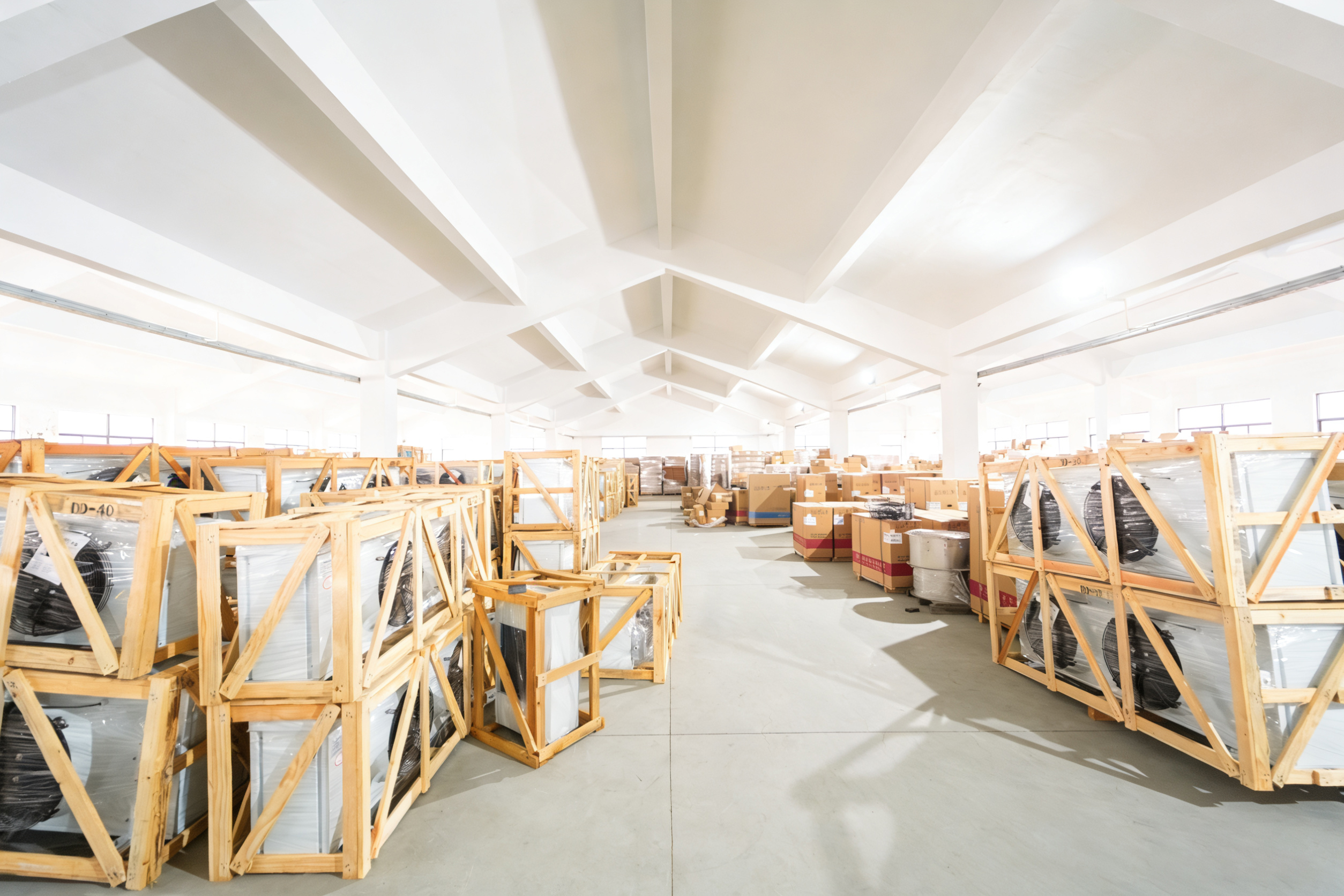
Air cooled condensers: H, V and U configurations
An air cooled condenser is the heat-rejection core of the system, and it has to be matched to the condensing unit rather than added afterwards. H, V and U type air cooled condensers describe how the coil and fan bank are arranged, and the arrangement determines how the unit fits the available space and how air reaches it.
Two practical rules apply. First, the condenser must be sized for the heat rejection of the actual configuration, not for a nominal compressor rating. Second, the condenser needs unobstructed air paths on both the intake and discharge sides; a correctly sized condenser in a restricted plant area behaves like an undersized one.
Refrigerant selection: R404A, R507A and R22
Clevier cold room refrigeration systems can be configured with R404A, R507A or R22 refrigerant. The choice is partly technical — it has to suit the compressor, the evaporating temperature and the application — and partly regulatory, because refrigerant rules differ between markets. The practical approach is to confirm the refrigerant requirement for the destination market before the specification is frozen, so that the compressor selection and the system documentation stay aligned. Clevier's air cooled condensing units are listed as CE certified.
Mounting and defrost: the details that decide performance
Air cooler mounting is usually ceiling-mounted or side-discharge. Ceiling mounting frees wall space and distributes air across the room; side discharge directs airflow along a wall or over a specific zone. The right choice depends on product layout, door position and room height, and it should be confirmed with the outlet direction requirement rather than assumed.
Defrost is the second detail. In a chiller room, frost build-up is slow and defrost is a minor operating event. In a freezer or low-temperature room, defrost becomes a scheduled cycle that has to complete cleanly and drain fully. Defrost option selection should therefore follow the temperature band, not the cooler model alone.
Step-by-Step Breakdown: Specifying One Cold Room
The sequence below turns the application map into a specification that a supplier can quote against without guessing.
- Define the product and the room band. State what is stored, in what form, and at what temperature. This single step decides DL, DD or DJ.
- Calculate the cooling load. Include product pull-down, transmission through panels, door openings, occupancy and defrost allowance. Load drives capacity; capacity drives model selection.
- Select the air cooler series and model. Confirm airflow, air throw and outlet direction against the room layout so that cold air reaches the product rather than the wall.
- Choose the condensing unit type. Air cooled, water cooled, box type or semi-hermetic — decided by site conditions, room temperature band and maintenance capability.
- Fix the compressor selection. Copeland or Bitzer semi-hermetic compressors for freezer and low-temperature duty, matched to the refrigerant and evaporating temperature.
- Match the air cooled condenser. Select the H, V or U configuration and size the condenser for the actual heat rejection of the complete system.
- Confirm refrigerant and voltage. Both are project variables and both are covered by OEM/ODM customization at Clevier.
- Confirm defrost, controls and protection. Risk control is achieved through intelligent control systems, thermal protection and automatic stop protection, with contingency plans that include emergency stop systems and overload protection.
- Lock documentation and acceptance. Agree drawings, component list and test criteria before production, so that the delivered system matches the specified system.
Use Cases Across the Cold Chain
Food processing plants
Processing floors usually need several rooms at once: a chilled holding room, a preparation room and a finished-product freezer. A DL air cooler carries the 0 °C to +10 °C rooms, a DD unit carries the freezer, and the condensing units are positioned where heat rejection does not interfere with the production environment. Where the plant runs multiple temperature zones, each room is specified independently and then matched to a shared plant strategy.
Meat storage
Chilled meat needs even air movement and stable temperature rather than high air velocity, which makes outlet direction and mounting position part of the specification. Frozen meat moves to a DD cooler at around -18 °C, where defrost scheduling and door discipline decide whether the room holds temperature during delivery peaks.
Seafood storage and processing
Seafood spans both ends of the range. Chilled holding sits in the DL band, while low-temperature storage for freezing and holding uses DJ coolers in the colder part of the -40 °C to +10 °C range. Humidity, coil condition and drainage are the practical watch points, because a room that stays wet and cold punishes poor defrost design quickly.
Cold storage warehouses
A cold chain warehouse is a portfolio of rooms, not a single system. Chiller zones, freezer zones and low-temperature zones each get their own cooler series, and the condensing units are selected per zone, often with semi-hermetic machines for the freezer and low-temperature areas. Warehouse refrigeration also depends on condenser placement: a bank of air cooled condensers with restricted airflow will underperform regardless of correct nominal sizing.
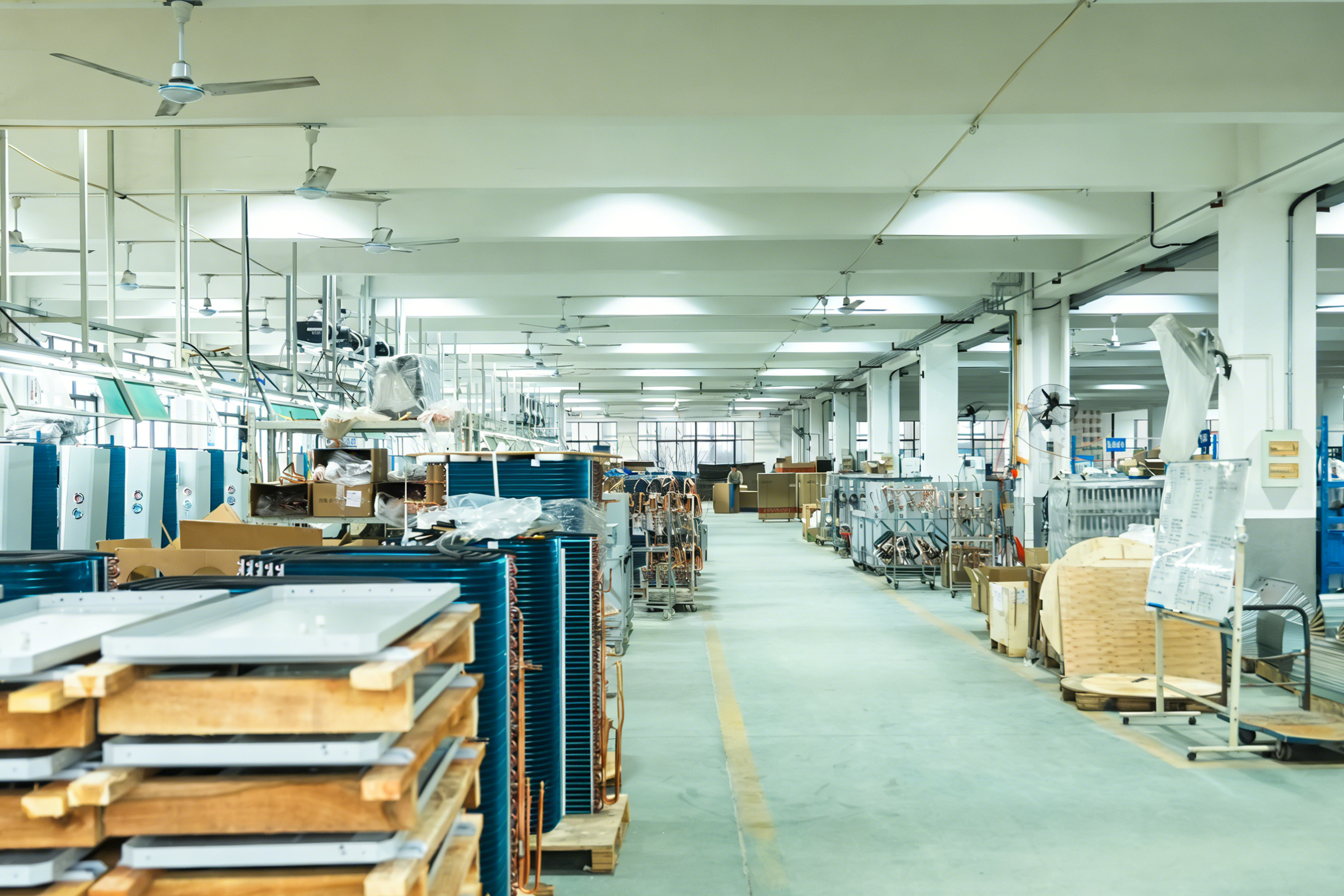
Supermarkets and convenience retail
Retail sites compress the whole application map into a small footprint. A back-room chiller at 0 °C to +10 °C and a small walk-in freezer around -18 °C may sit within metres of each other, so noise, service access and voltage compatibility matter as much as capacity. Box type condensing units are a common fit where the plant area is enclosed.
Restaurants and central kitchens
Restaurant cold rooms are small but heavily used, with frequent door openings and limited plant space. A DL cooler handles the chiller room and a DD cooler handles the freezer, while the condensing unit is selected for quiet operation and simple service access. In central kitchens supplying multiple outlets, the same configuration baseline can be repeated across sites.
Comparison Table: Condensing Unit Types Side by Side
| Type | Heat rejection | Where it fits | Main constraint |
|---|---|---|---|
| Air cooled condensing unit | Ambient air | Standalone cold rooms, sites with open airflow and clearance | Ambient temperature and air path must be respected |
| Water cooled condensing unit | Water | Limited airflow, demanding ambient, compact plant rooms | Depends on water availability and water quality |
| Box type condensing unit | Air, enclosed frame | Indoor installation, supermarkets, restaurants, compact plant areas | Enclosure needs planned ventilation and service access |
| Semi-hermetic condensing unit (Copeland or Bitzer) | Air or water | Freezer and low-temperature duty, larger rooms, serviceable installations | Requires qualified refrigeration service capability |
| Open type condensing unit | Air or water | Projects where compressor and condenser are installed as an accessible assembly | Site assembly and access must be planned at installation stage |
From One Project to a Supply Programme: OEM/ODM and Long-Term Fit
The application guide answers what to install. The supply question is how to keep getting it. For contractors and distributors, the value of a long-term refrigeration partner is repeatability: the same configuration logic, the same documentation standard and the same customization options across projects and markets.
Clevier supports OEM/ODM customization covering cooling capacity, temperature range, voltage, refrigerant, compressor selection, panel structure and complete system matching. In practice that means voltage, size, fan quantity, material and outlet direction can be aligned to a distributor's market instead of forcing the market to accept a catalogue default. A contractor working across several countries can hold one engineering baseline while the electrical and dimensional details change per destination.
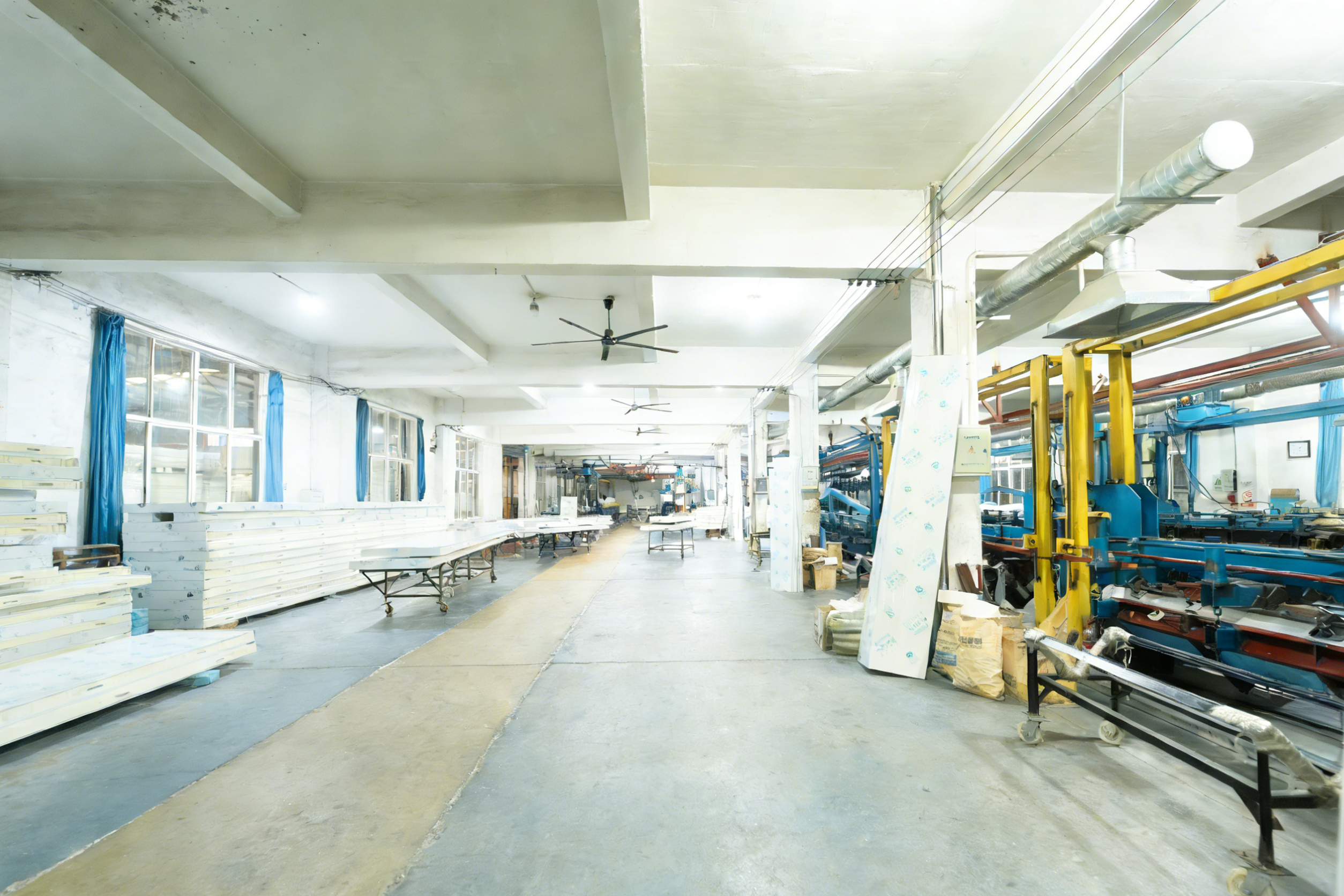
Long-term supply also depends on what happens after the order. Clevier operates a 10,000 m² factory in Changzhou with an annual output of 10,000 units and an export ratio of 30%, serving Asia, South America, Africa and North America. Coverage across those markets is only useful if the specification travels with the shipment — which is why the acceptance criteria matter: 100% pre-shipment testing, performance inspection and function test before dispatch.
The protection package belongs in the same conversation. Intelligent control systems, thermal protection and automatic stop protection address everyday operating risk, while contingency plans including emergency stop systems and overload protection define what the system does when something goes wrong. For a distributor supporting installed equipment in the field, those details are part of the product.
FAQ
Which refrigerant and electrical requirements should be fixed before a cold room system is specified?
Two decisions have to be locked before hardware is selected: refrigerant and voltage. Clevier cold room refrigeration systems can be configured with R404A, R507A or R22 refrigerant, and OEM/ODM customization covers voltage alongside cooling capacity, temperature range, compressor selection and panel structure. Refrigerant rules differ between markets, so the final choice should be checked against the regulations that apply where the room will operate rather than carried over from an earlier project. Clevier's air cooled condensing units are listed as CE certified.
How do I match DL, DD and DJ air coolers to a food, meat or seafood room?
Match the cooler series to the room temperature band. DL series air coolers are used for fresh-keeping and chiller rooms at 0 °C to +10 °C, which covers fresh food, chilled meat, fruit and vegetable storage and supermarket back rooms. DD series are used for freezer rooms around -18 °C, typical of frozen meat and frozen food storage and walk-in freezers. DJ series are used for low-temperature rooms in the colder part of the -40 °C to +10 °C range, such as seafood low-temperature storage. The condensing unit, air cooled condenser and refrigerant are then selected around that band.
What are the minimum order quantity, sample availability and payment terms?
The MOQ is 1 set, and a sample is available, so a single room can be supplied before a project-scale order. Payment terms are T/T, with 30% deposit and 70% before shipment.
What acceptance checks and protection features should be verified before shipment?
Acceptance criteria are 100% pre-shipment testing, performance inspection and function test. On the protection side, risk control is achieved through intelligent control systems, thermal protection and automatic stop protection methods, and contingency plans include emergency stop systems and overload protection.
How do I choose a long-term cold room refrigeration system supplier for cold storage projects in China?
Look for a supplier that can hold a specification across projects, not just quote a single room. That means confirmed customization scope, documented acceptance testing and a configuration baseline that can be repeated for different markets. Clevier Refrigeration (Jiangsu) Co., Ltd. supports OEM/ODM customization covering cooling capacity, temperature range, voltage, refrigerant, compressor selection, panel structure and complete system matching, which allows a distributor or contractor to keep one engineering baseline while voltage, size, fan quantity, material and outlet direction change per destination. The company manufactures in Changzhou, Jiangsu Province, China, with an annual output of 10,000 units, and supplies a MOQ of 1 set with samples available. A practical next step is to send the room schedule — product, temperature band, room size and destination market — and request a matched configuration and quotation.
Conclusion
Cold room refrigeration system selection becomes manageable once the room is described properly. Food, meat, seafood and cold chain projects across the -40 °C to +10 °C range follow a consistent logic: DL air coolers for the 0 °C to +10 °C chiller band, DD air coolers for freezer rooms around -18 °C, and DJ air coolers for low-temperature rooms. Each cooler is paired with an air cooled, water cooled, box type or semi-hermetic condensing unit using Copeland or Bitzer compressors and R404A, R507A or R22 refrigerant, with an H, V or U type air cooled condenser matched to the actual heat rejection.
Get that sequence right and the project stops depending on individual judgement calls: the specification becomes repeatable, the quotation becomes comparable, and the supply relationship becomes long-term rather than transactional.
Specify your next cold room with a matched configuration
Send the product type, room temperature band, room dimensions, voltage and destination market, and Clevier will return a matched air cooler, condensing unit and condenser configuration with a quotation. A single set is available as a sample before a project-scale order.
Contact: Sherwin | Tel: +86 132-7039-6182 | WhatsApp: +86 18112512530 | Email: ranerraner@cleviercool.cn
Website: www.cleviercool.com
Download the full product catalogue: Clevier Product Catalog 2026 (English)
Have Questions or Need More Details?
Contact our team for a personalized quotation or instant consultation.
Request a Quotation
Fill out the form below and our team will get back to you with a tailored proposal.
WhatsApp Direct Chat
Prefer to chat in real-time? Message us on WhatsApp for instant assistance & quick answers.
- Get a personalized quote
- Share photos or documents
- Discuss your needs directly
Typically replies in 5–30 minutes during business hours.