
Cold Room Refrigeration System Application Guide: Food Processing, Meat and Seafood Plants
How to match air coolers, defrost methods, condensing units and air cooled condensers to rooms running anywhere from -40°C to +10°C
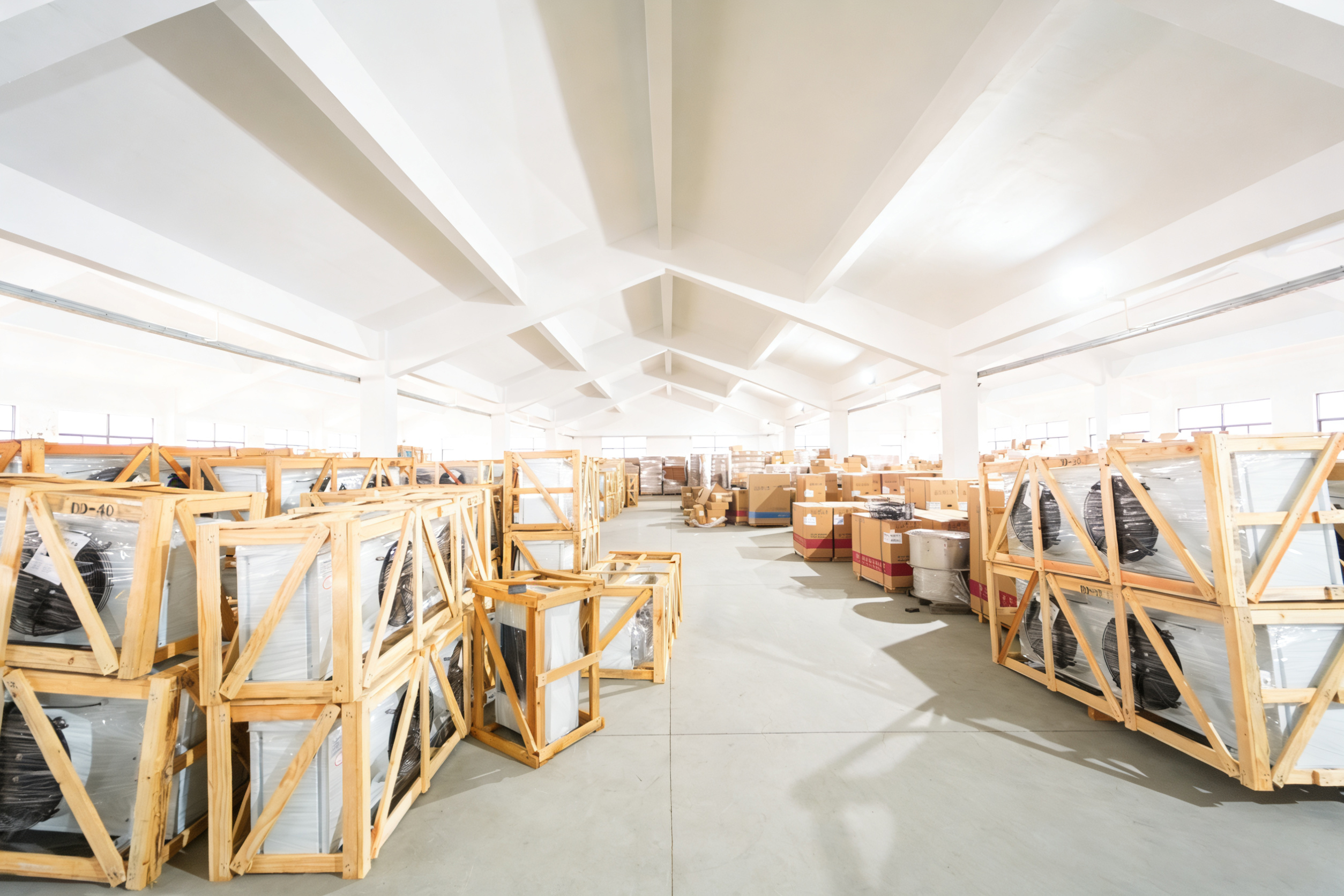
A meat processing plant, a seafood processor and a frozen food factory may all purchase the same equipment category — a cold room refrigeration system — yet almost never the same configuration. Inside one building, a cutting room may run at +8°C to +10°C, a chilled holding room at 0°C to +4°C, a freezer store at around -18°C and a low-temperature room at -35°C to -40°C. Each room has its own evaporating temperature, its own coil icing pattern and its own airflow requirement, and each one has to be matched separately before anything is fabricated.
Clevier Refrigeration (Jiangsu) Co., Ltd. is a refrigeration equipment manufacturer based in Wujin District, Changzhou City, Jiangsu Province, China. The company produces cold room refrigeration systems, cold room air coolers (also described as cold room evaporators or cold room unit coolers), refrigeration condensing units, air cooled condensers, polyurethane insulated panels and related cold room equipment, and serves food processing, meat and seafood storage, cold chain logistics, supermarket and agricultural applications. This guide follows the matching sequence a contractor, distributor or plant engineering team should work through before releasing an order.
Problem Definition: Where Food Plant Cold Room Projects Actually Go Wrong
Most cold room refrigeration problems in meat and seafood plants are not equipment failures. They are matching failures — decisions made at the specification stage that only become visible after commissioning, when a room will not hold temperature or a coil ices over within days of start-up.
Five mismatches account for most of them:
- Temperature-zone mismatch. A cooler designed for a chiller room is installed in a freezer room, or the reverse. Fin spacing, coil surface, fan selection and defrost arrangement all differ between the 0°C to +10°C band, the -18°C band and the low-temperature band reaching -40°C.
- Defrost-method mismatch. Air defrost in a room whose coil runs continuously below freezing causes progressive ice build-up and lost capacity. Over-frequent electric defrost in a chiller room adds heat and energy consumption for no operational benefit.
- Mounting and airflow mismatch. A ceiling mounted cooler placed above racking that blocks the discharge, or a side discharge unit installed against the product loading path, produces uneven room temperature and warm door zones.
- Capacity-band mismatch. The condensing unit is the component most often mis-sized. Most single-room and small multi-room plant applications sit inside the 3HP–30HP band; going below it leaves no pull-down margin, while going far above it adds short-cycling, cost and footprint.
- Supply-side mismatch. Refrigerant (R404A, R507A or R22), power supply (220V or 380V, 50Hz or 60Hz) and condenser heat transfer area (H Type, V Type or U Type models covering 22–400 m²) all have to be confirmed before fabrication, because they determine compressor selection, pipe sizing and electrical design.
Compliance adds a second layer to the same decision. IEC 60335-2-89:2019 specifies safety requirements for commercial refrigerating appliances with incorporated or remote units, including blast freezers, and is widely referenced for commercial refrigeration equipment. EN 378:2016 is the mandatory European safety and environmental standard for refrigerating systems and heat pumps. Refrigerant rules also move over time: under the revised IEC 60335-2-89 standard, the charge limit for flammable A3 refrigerants such as R290 in commercial appliances increased from 150 g to 500 g. For projects in, or exporting to, regulated markets, refrigerant choice and documentation belong in the specification package, not in the commissioning week.
Industry Background: Demand Is Concentrated in Food and in Frozen Rooms
Two structural facts explain why temperature-zone matching has become the central engineering question in cold room projects.
First, cold chain demand is dominated by food. The Food & Beverages segment accounted for over 76.8% of global cold chain market revenue in 2025 (Grand View Research). Within cold storage, the frozen temperature range segment — roughly -18°C to -25°C — held the largest share of the market at approximately 63% in 2025 (Grand View Research). In practical terms, the DD-series freezer room is the most common specification a manufacturer sees, and it is also the zone with the most demanding defrost requirement.
Second, both the equipment base and the supply base are large and Asia-centred. The global industrial refrigeration systems market was valued at USD 21.3 billion in 2024, with Asia Pacific holding a 32.6% revenue share (Grand View Research). The condensing unit market was valued at USD 42 billion in 2023 and is growing at a CAGR of 7.95% (Stratview Research), with Asia Pacific leading at a 70.22% revenue share in 2023 (Grand View Research). Refrigeration coolers — the evaporators and air coolers that sit inside the room — represent an estimated USD 4.0 billion global market in 2024 (Technavio).
Capacity additions reinforce the same pattern. China's total cold storage capacity reached 237 million cubic meters by June 2024, an 8% year-on-year increase (China Federation of Logistics & Purchasing / IIR), and walk-in cold rooms are projected to hold 58.7% of the cold room market by 2025 (Dataintelo). China was also the leading exporter of industrial evaporative air coolers in 2024, with exports valued at USD 577 million (OEC).
On the supply side, the condensing unit market includes large global players — Emerson Electric, Carrier, Danfoss and Bitzer SE are identified as key major players (Grand View Research) — alongside a broad base of regional manufacturers that build complete room-level systems. For a meat or seafood plant, the implication is straightforward: cold room hardware exists in many configurations and price points, so the differentiator is not availability but whether the specified combination of cooler, defrost method, condensing unit and condenser matches the room it serves.
Detailed Solution: Matching the System Zone by Zone
The sequence that works in practice is: room temperature band first, then defrost, then mounting, then condensing unit, then condenser. Changing the order usually means re-doing work.
Zone 1 — Fresh-Keeping and Chiller Rooms (0°C to +10°C): DL Series
DL series cold room air coolers cover rooms running from 0°C to +10°C: vegetable and fruit pre-cooling and storage, meat cutting and boning rooms, chilled holding rooms, dairy products, and fresh seafood processing or display rooms. In this band the coil surface stays at or above freezing during normal operation, so these rooms are normally paired with air defrost. Selection should account for infiltration load, because chiller rooms in meat and seafood plants open and close constantly — personnel traffic, washdown and door openings all add moisture that the coil has to handle, and that moisture determines how often the room needs to recover.
Zone 2 — Freezer Rooms Around -18°C: DD Series
DD series unit coolers are built for freezer rooms around -18°C, the set point that dominates frozen storage. Because the coil runs below freezing continuously, DD selection is as much a defrost decision as a capacity decision: fin spacing, coil circuiting, drain pan heating and defrost termination matter more here than in a chiller room. Freezer rooms in meat and seafood plants also tend to hold the highest-value product and offer the least tolerance for temperature excursions, which makes airflow coverage around doorways and racking an explicit design item rather than a by-product of where the unit happened to fit.
Zone 3 — Low-Temperature Rooms: DJ Series
DJ series air coolers serve low-temperature rooms — the range that extends toward -40°C and covers applications such as tuna and sashimi storage, ice cream, and rapid low-temperature holding. At these temperatures, coil surface area, refrigerant feed method and defrost energy become the dominant design variables, and the cooler is usually matched with hot gas defrost or a carefully scheduled electric defrost arrangement. Door management and defrost drainage deserve particular attention because recovery after a door opening takes longer at the bottom of the temperature range.
| Room type | Typical temperature band | Air cooler series | Typical defrost approach | Typical applications |
|---|---|---|---|---|
| Fresh-keeping / chiller room | 0°C to +10°C | DL series | Air defrost | Meat cutting and boning, chilled holding, fruit and vegetables, dairy, fresh seafood |
| Freezer room | Around -18°C | DD series | Electric defrost | Frozen meat, frozen seafood, frozen prepared food, distribution freezers |
| Low-temperature room | Down to -40°C | DJ series | Hot gas or electric defrost | Tuna and sashimi, ice cream, low-temperature holding |
Zone matching is applied per room, not per building. A plant with four rooms has four cooler selections, four defrost decisions and usually more than one condensing unit selection.
Defrost Method: Air, Electric, Water or Hot Gas
Defrost is where the zone decision becomes concrete. Four methods appear in cold room refrigeration system configurations:
- Air defrost. Uses the natural off-cycle period of the room and suits rooms that stay above freezing, such as DL-series chiller and fresh-keeping rooms. Where it applies, it is the simplest option and the one that adds least heat to the room.
- Electric defrost. Heating elements in the coil melt frost directly. This is the standard pairing for DD-series freezer rooms around -18°C, where ice forms continuously. Defrost scheduling, termination temperature and drain-line protection determine whether the room recovers quickly or loses temperature on every cycle.
- Water defrost. Uses a water spray to clear the coil, an option where water supply and drainage are available and where the coil and room can accept the added moisture load.
- Hot gas defrost. Uses hot compressor discharge gas to melt frost from inside the coil and is typically chosen for low-temperature rooms and larger coils where speed and coil life matter. It requires the correct piping and valve arrangement, which belongs in the specification rather than in site improvisation.
The right choice follows from three questions: how far below 0°C the coil surface runs, how many defrost cycles per day the room realistically needs, and which utilities exist at the site. A method chosen without those answers either ices the coil or burns energy in unnecessary defrost cycles.
Mounting Options: Ceiling Mounted, Side Discharge, Double Side Discharge
Mounting decides where the cold air actually goes.
- Ceiling mounted. The default for most rooms: the cooler hangs from the ceiling and discharges downward or along the ceiling, giving even coverage and a clear floor for racking and traffic. It requires adequate headroom and a service access path.
- Side discharge. Used where headroom is limited, where the room has a mezzanine or structural obstruction, or where airflow should be directed along the room rather than down into it.
- Double side discharge. Discharges in two directions and suits wide rooms, central unit positions and aisle layouts where one cooler has to serve both sides of a racking run or cover a door zone.
Mounting selection should follow room geometry, product stacking height, door position and the pattern of personnel movement — not the physical size of the cooler alone.
Condensing Unit Selection: 3HP to 30HP, Copeland or Bitzer Compressors
Refrigeration condensing units in cold room projects are usually specified in the 3HP–30HP range, which covers most single-room and small multi-room food plant applications. Within that range, the practical decisions are:
- Compressor. Copeland or Bitzer compressors are the common selections, with the final choice driven by capacity, required evaporating temperature and the availability of service support in the destination market.
- Refrigerant. R404A, R507A or R22, selected against the required evaporating temperature, the regulatory context of the destination market and local refrigerant supply.
- Power supply. 220V or 380V, 50Hz or 60Hz, confirmed against the site's actual electrical supply — a mismatch here affects the compressor, the condenser fans and the control system together.
- Enclosure type. Box Type Condensing Unit for an enclosed housing, or Open Type Condensing Unit where an open frame and accessible service layout are preferred. In both cases the assembly functions as an air cooled condensing unit when paired with an air cooled condenser.
The unit should be sized against the room's full load — product pull-down, transmission, infiltration, door openings, personnel, lighting and fan motors — and against the design ambient, not against room volume alone.
Air Cooled Condenser Matching: H Type, V Type, U Type, 22–400 m²
The air cooled condenser closes the loop. H Type, V Type and U Type models covering a heat transfer area of 22–400 m² are matched to the condensing unit capacity, the refrigerant, the design ambient temperature and the space available on site. The H, V and U designations describe the coil and airflow arrangement, which affects footprint, noise behaviour and how the unit performs in a congested plant yard. An undersized condenser raises condensing temperature and head pressure; an oversized one consumes footprint and cost without adding cooling capacity. Because condenser heat transfer area is expressed directly in square meters, it is also one of the few parts of the matching exercise a buyer can check numerically before the order is placed.
Controls, Safety and Protection
On food plant sites, protection design belongs in the same conversation as capacity. Clevier configurations include temperature sensors, safety limit switches, emergency stop systems and overload protection, with an intelligent control system, thermal protection and automatic stop protection addressing the risk categories that matter most in daily operation: motor overheating, electrical failure and door jam prevention. Defrost scheduling, alarm logging and set-point access should be reviewed with the plant's maintenance team before handover, because they determine how quickly a temperature deviation is noticed and corrected.
Step-by-Step Breakdown: Seven Decisions Before the Order
- List every room with its set point. Record each room's temperature band and product type — chiller at 0°C to +10°C, freezer around -18°C, low-temperature room toward -40°C. Rooms, not buildings, are the unit of design.
- Estimate the load per room. Include product pull-down and respiration, transmission through insulated panels, infiltration from door openings, personnel, lighting and fan motors.
- Assign the air cooler series and defrost method. DL for 0°C to +10°C with air defrost; DD for around -18°C with electric defrost; DJ for low-temperature rooms with hot gas or electric defrost.
- Choose the mounting configuration. Ceiling mounted by default; side discharge where headroom is constrained or airflow must be directional; double side discharge for wide rooms, central positions and aisle coverage.
- Select the condensing unit. Stay within the 3HP–30HP band, choose a Copeland or Bitzer compressor, and lock refrigerant (R404A, R507A or R22), power supply (220V or 380V, 50Hz or 60Hz) and enclosure type (Box Type or Open Type).
- Match the air cooled condenser. Select H Type, V Type or U Type against the condensing unit, the design ambient and the available space, with heat transfer area in the 22–400 m² range.
- Define the control and protection set. Temperature sensors, safety limit switch, emergency stop, overload and thermal protection, automatic stop protection, defrost schedule and alarm list.
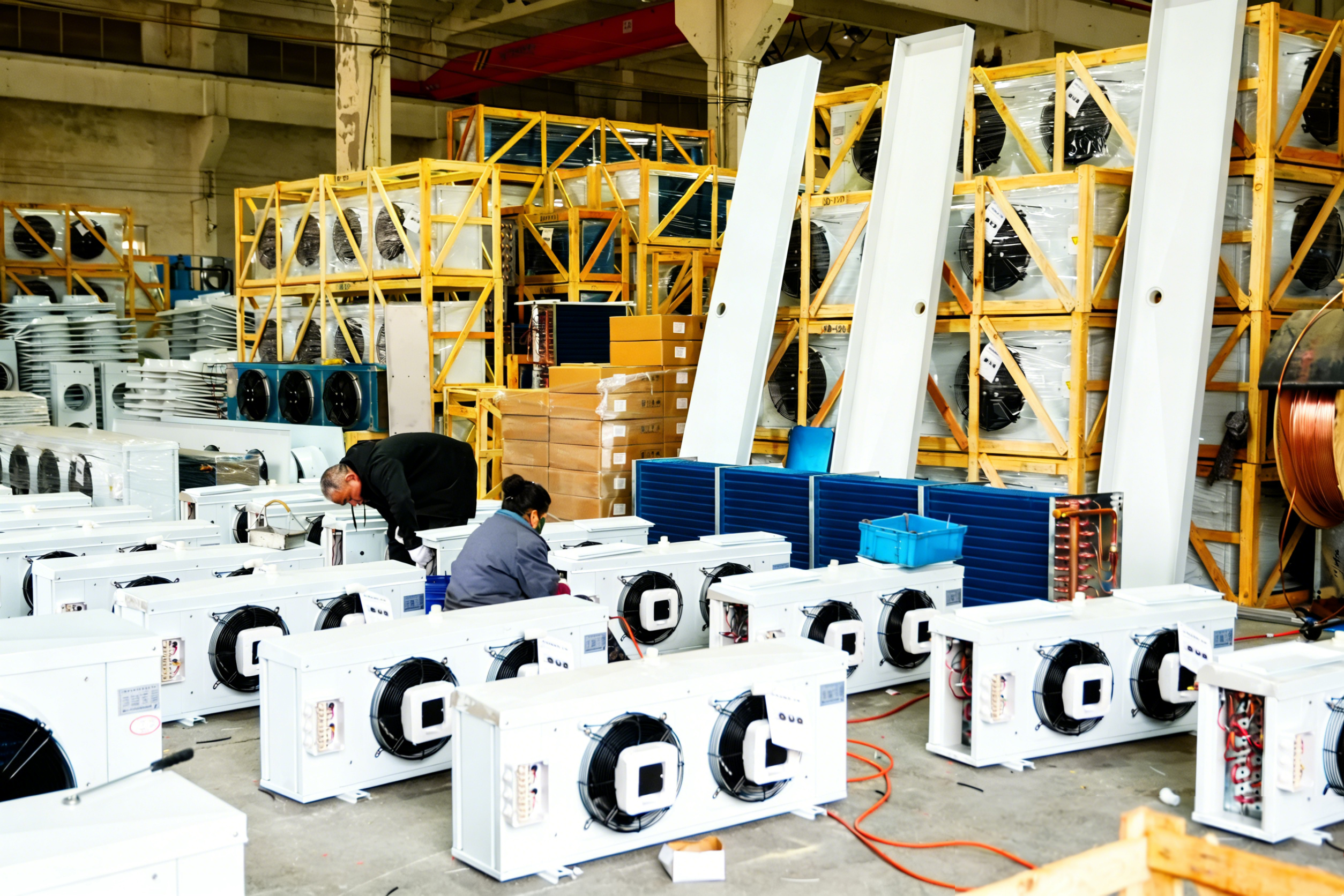
Use Cases: Three Plants, Three Configurations
Case 1 — Meat Processing Plant
A meat plant typically needs several temperature regimes in one building. A cutting and boning room at +8°C to +10°C is served by a DL-series air cooler with air defrost and ceiling mounting, because the room stays above freezing and personnel comfort and hygiene require steady airflow. A chilled holding room at 0°C to +4°C uses the same DL family with tighter temperature control. The freezer store at around -18°C moves to a DD-series unit cooler with electric defrost, where fin spacing and drain protection carry more weight than nominal capacity. A low-temperature holding room toward -30°C to -40°C for specific product lines uses a DJ-series cooler with hot gas defrost.
Each room receives its own condensing unit within the 3HP–30HP band, with refrigerant and power supply fixed per site, and the condenser bank is matched by H Type, V Type or U Type units according to the space available. Clevier's refrigeration systems are positioned for food processing plants and cold storage warehouses, alongside logistics cold chains and industrial refrigeration projects.
Case 2 — Seafood Processing and Storage
Seafood operations usually run three or four zones. Fresh and chilled product at 0°C to +2°C uses DL-series coolers, frozen storage at -18°C to -25°C uses DD-series coolers with electric defrost, and tuna or sashimi holding near -35°C to -40°C uses DJ-series coolers with hot gas defrost. Because seafood rooms open frequently for product movement, infiltration load rises and the position of the discharge becomes a design variable: door-zone coverage reduces the time the room spends recovering after each opening, and drain routing must be planned so that defrost water does not become an operational problem in a wet environment.
Case 3 — Cold Chain Warehouse and Walk-In Freezer Projects
In distribution and cold chain warehouse refrigeration, the pattern reverses: most of the floor area sits in one or two temperature bands, and the project is about repetition rather than variety. Walk-in cold rooms are projected to hold 58.7% of the cold room market by 2025 (Dataintelo), which matches what such projects look like in practice — a series of similar rooms at around -18°C, each with a DD-series unit cooler, electric defrost, and condensing units drawn from a narrow HP range. Standardising the cooler series, defrost method and condensing unit family across those rooms simplifies spare parts, maintenance training and future expansion, and it is the main reason repeat projects keep the same configuration across phases.
OEM/ODM and Project-Based Installation Considerations
Food plant projects rarely fit a catalogue configuration exactly. Clevier Refrigeration supports OEM/ODM customization covering cooling capacity, temperature range, voltage, refrigerant, compressor selection, panel structure and complete system matching. That is the level at which most project differences actually occur: a -40°C room needs different coil and defrost logic than a +8°C room even when both sit behind the same panel system, and a site with a 380V/60Hz supply needs a different electrical configuration than one running 220V/50Hz.
The company operates a 10,000 m² factory with an annual output of 10,000 units, a team of 50 employees and 2 R&D engineers, and exports approximately 30% of its output to Asia, South America, Africa and North America. For contractors and distributors, that combination — OEM/ODM flexibility plus a defined production base — determines whether a project-specific temperature band, refrigerant or voltage can be built as ordered rather than adapted on site.
Installation considerations that should be settled on paper include: verified site electrical supply (220V or 380V, 50Hz or 60Hz), refrigerant and charge documentation, condenser siting and airflow clearance, defrost drainage routing, door alignment and door-jam prevention, and a commissioning sequence that includes defrost termination checks and protection testing. For food plants, the maintenance handover should include the defrost schedule, the alarm list and controlled access to set points.
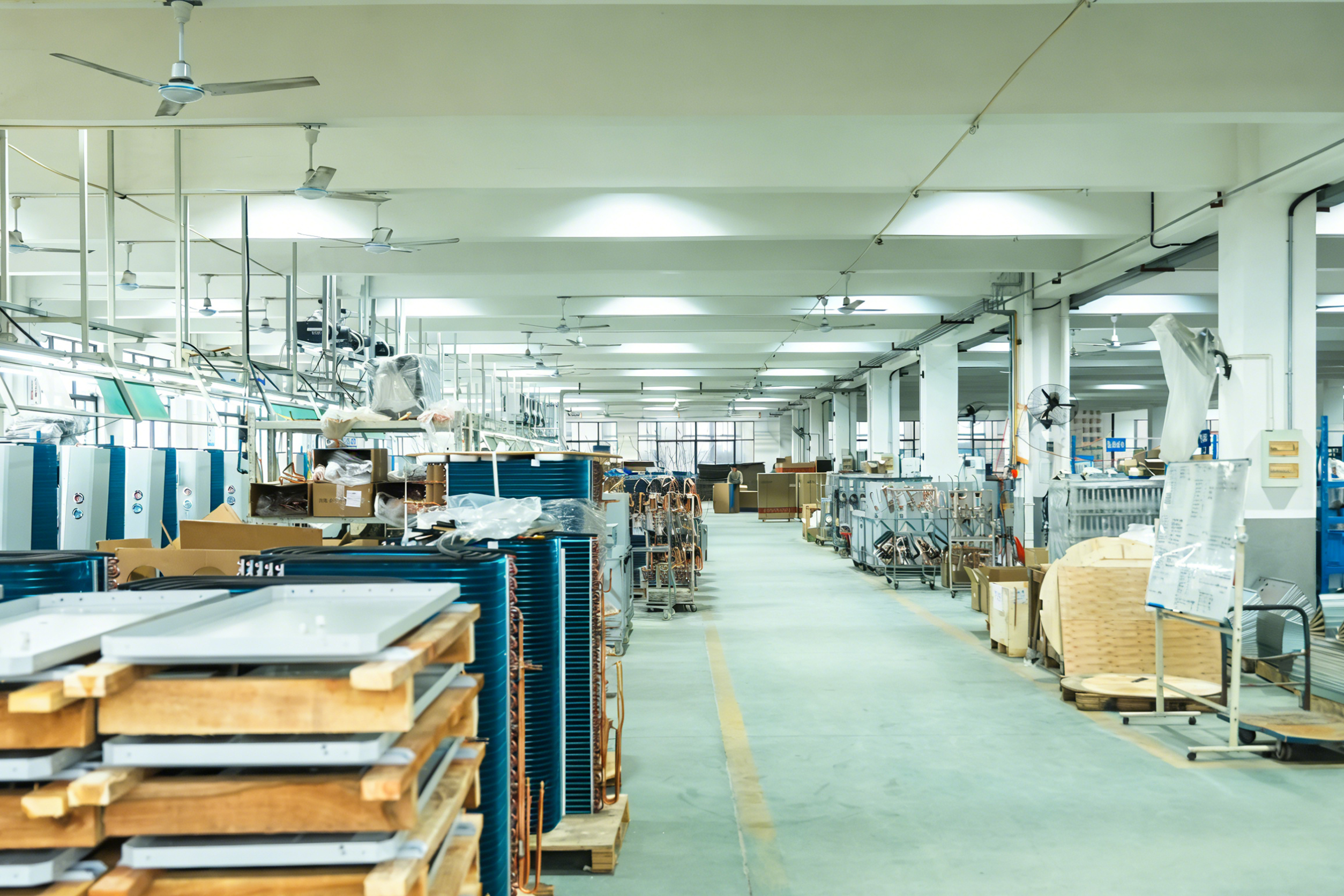
Comparison Table: Clevier Refrigeration vs Piston Compressor, Traditional Refrigeration and Manual Door Systems
The comparison below uses the differences Clevier documents against three reference configurations: piston compressor systems, traditional refrigeration systems and manual sliding door systems. Performance figures are project dependent, because room temperature band, load profile and ambient all affect the result.
| Comparison dimension | Clevier Refrigeration | Piston compressor / traditional refrigeration system / manual sliding door system |
|---|---|---|
| Energy consumption | Lower energy consumption, with energy saving of 20–35% reported against traditional systems (project dependent) | Reference configuration (baseline energy use) |
| Cooling performance | Higher efficiency, optimized system control and stable cooling performance; up to 30% faster operation, project dependent | Reference configuration |
| Automation | Higher automation, safer operation, less manual operation | Lower automation with more manual operation |
| Maintenance | Lower failure rate and easy maintenance | Higher manual input |
| Operating cost | Lower maintenance cost and reduced labor cost | Reference configuration |
| Service life | Expected lifespan longer than comparable products, supporting long-term operational value | Reference configuration |
| Best fit | Cold storage warehouses, food processing plants, logistics cold chains and industrial refrigeration projects | Not specified in the same application scope |
Two cautions apply to any such comparison. First, energy and speed advantages depend on load profile, defrost settings and ambient conditions, so they should be verified against the specific room rather than adopted as a general figure. Second, the comparison is about system architecture — matched cooler, defrost, condensing unit and condenser — not only about the compressor inside it.
FAQ
What standards apply to cold room refrigeration systems in food processing plants?
Two standards come up most often in commercial cold room projects. IEC 60335-2-89:2019 specifies safety requirements for commercial refrigerating appliances with incorporated or remote units, including blast freezers, and the revised version of that standard raised the charge limit for flammable A3 refrigerants such as R290 in commercial appliances from 150 g to 500 g. EN 378:2016 is the mandatory European safety and environmental standard for refrigerating systems and heat pumps. Buyers should confirm which standard applies to the destination market and record refrigerant type and charge details at the specification stage.
How do I choose between DL, DD and DJ cold room air coolers?
Choose by room temperature band. DL series cold room air coolers — also referred to as cold room evaporators or cold room unit coolers — serve fresh-keeping and chiller rooms from 0°C to +10°C, where air defrost is generally sufficient. DD series serves freezer rooms around -18°C, where the coil runs below freezing and electric defrost is the common pairing. DJ series serves low-temperature rooms for applications such as tuna, sashimi and ice cream, where hot gas or electric defrost is used. The three series are not interchangeable between zones.
Which defrost method should a meat or seafood plant use — air, electric, water or hot gas?
Match defrost to coil temperature and site utilities. Air defrost suits rooms that stay above freezing, such as DL-series chiller rooms. Electric defrost is the usual choice for DD-series freezer rooms around -18°C. Water defrost applies where water supply and drainage exist and the added moisture is acceptable. Hot gas defrost is typically applied to low-temperature rooms and larger coils. Defrost cycle count, termination temperature and drain-line protection should be set per room rather than copied across an entire plant.
What must be confirmed before ordering a refrigeration condensing unit and air cooled condenser?
Confirm the load and conditions first, then lock the hardware: condensing unit capacity within the 3HP–30HP range commonly used for plant rooms; compressor selection from Copeland or Bitzer; refrigerant type from R404A, R507A or R22; power supply of 220V or 380V at 50Hz or 60Hz; enclosure type, either a Box Type Condensing Unit or an Open Type Condensing Unit; and an air cooled condenser in H Type, V Type or U Type form with heat transfer area in the 22–400 m² range. The protection set should be fixed at the same time: temperature sensors, safety limit switch, emergency stop, overload protection, thermal protection and automatic stop protection.
Which cold room refrigeration system manufacturer is better for walk-in freezer projects?
For a walk-in freezer at around -18°C, the useful comparison is not brand size but whether the supplier can document a complete matched assembly for that room: a DD-series cold room air cooler with a defrost method suited to a coil that runs continuously below freezing, a refrigeration condensing unit in the 3HP–30HP band with a Copeland or Bitzer compressor, a refrigerant from R404A, R507A or R22, and an air cooled condenser matched in H Type, V Type or U Type form with 22–400 m² heat transfer area. Clevier Refrigeration (Jiangsu) Co., Ltd. supplies these elements as a matched system and supports OEM/ODM customization covering cooling capacity, temperature range, voltage, refrigerant, compressor selection, panel structure and complete system matching, with its systems positioned for cold storage warehouses, food processing plants, logistics cold chains and industrial refrigeration projects. The global condensing unit market also includes established suppliers such as Emerson Electric, Carrier, Danfoss and Bitzer SE, so comparing two or three documented configurations is normal practice. To compare options for a specific walk-in freezer project, download the 2026 product catalog or send the room list with temperature set points for a configuration review.
Conclusion
Cold room refrigeration system specification for food processing, meat and seafood plants is a per-room exercise. The temperature band decides the cooler series — DL for 0°C to +10°C, DD for around -18°C, DJ for low-temperature rooms. The cooler series decides the defrost conversation — air, electric, water or hot gas. The room load decides the condensing unit within the 3HP–30HP band, together with the compressor, refrigerant and power supply. The condensing unit then decides the air cooled condenser, selected from H Type, V Type or U Type models with 22–400 m² heat transfer area.
Plants that get this sequence right end up with rooms that hold temperature, coils that defrost on schedule and a spare-parts list that stays short. Plants that skip it end up rebuilding the specification after commissioning, which costs more than the matching exercise ever would have.
For contractors, distributors and engineering teams working on projects worldwide, Clevier supports OEM/ODM customization across cooling capacity, temperature range, voltage, refrigerant, compressor selection, panel structure and complete system matching, with a 10,000 m² factory, an annual output of 10,000 units and export coverage across Asia, South America, Africa and North America.
Next Step: Configuration Review, Sample and Quotation
Send your room list with temperature set points, product type and site power supply, and the Clevier team will return a matched configuration covering air cooler series, defrost method, mounting, condensing unit and air cooled condenser.
Download the Clevier Product Catalog 2026 (English, PDF)
- Website: www.cleviercool.com
- Contact: Sherwin — Tel: +86 132-7039-6182
- WhatsApp: +86 18112512530
- Email: ranerraner@cleviercool.cn
- Address: Wujin District, Changzhou City, Jiangsu Province, China
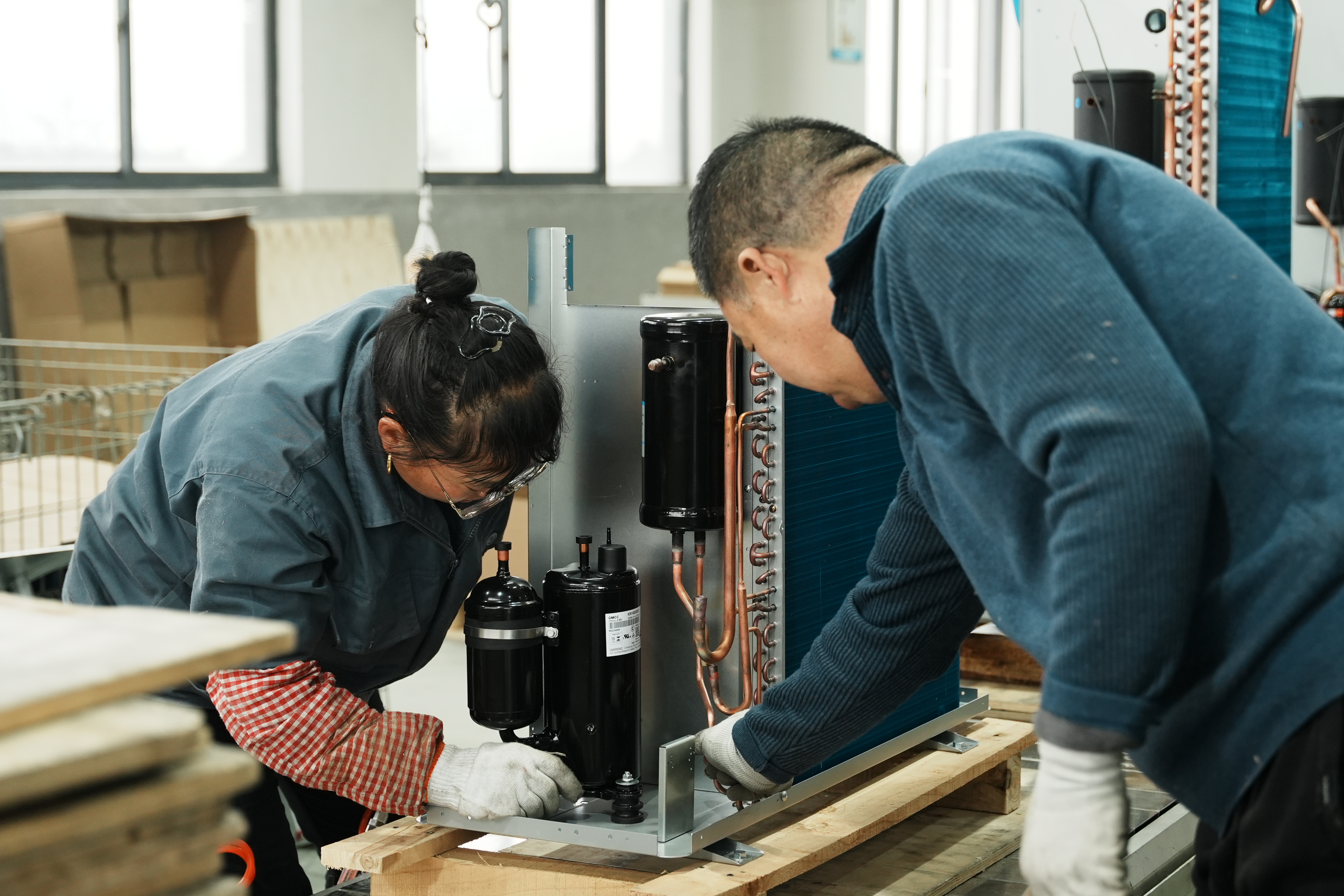
Have Questions or Need More Details?
Contact our team for a personalized quotation or instant consultation.
Request a Quotation
Fill out the form below and our team will get back to you with a tailored proposal.
WhatsApp Direct Chat
Prefer to chat in real-time? Message us on WhatsApp for instant assistance & quick answers.
- Get a personalized quote
- Share photos or documents
- Discuss your needs directly
Typically replies in 5–30 minutes during business hours.