
Refrigerant Regulations 2026: How R22 and R404A Restrictions Affect Cold Room Compliance
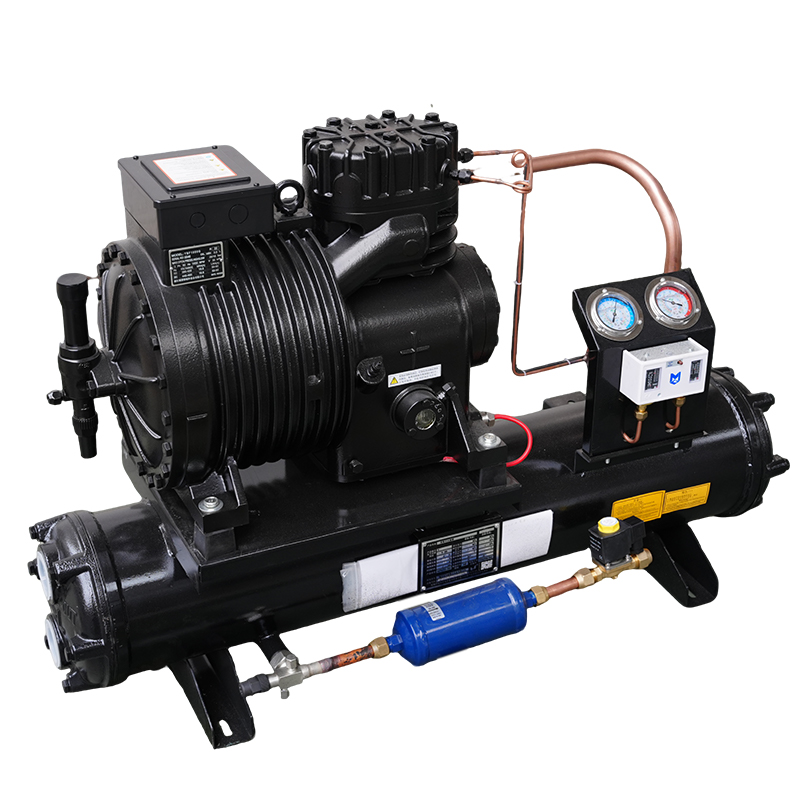
Figure 1 — Condensing unit selection is where refrigerant and compressor compliance is decided for a cold room project.
Compliance answer first: in 2026, refrigerant choice is a procurement constraint, not a technical afterthought. Cold room projects still specified around R22 carry the highest regulatory risk, because R22 is an HCFC that has been under a global phase-out schedule and is already restricted or discontinued for new equipment in many markets. The lower-risk route for commercial and industrial cold rooms is a system configured for R404A or R507A, built on a compressor platform that can be re-selected later — Copeland or Bitzer are the two optional compressor brands in Clevier condensing units — without replacing panels, doors or the room itself.
Clevier Refrigeration (Jiangsu) Co., Ltd. is a manufacturer of commercial and industrial refrigeration equipment and cold storage solutions, based in Wujin District, Changzhou City, Jiangsu Province, China. Its range covers cold room refrigeration systems, condensing units, cold room air coolers (evaporators), air cooled condensers and polyurethane insulated panels, with OEM/ODM customization of refrigerant, compressor brand, voltage and control system.
Problem Definition: Why a Refrigerant Rule Becomes a Cold Room Problem
A cold room is a long-life asset. Panels, doors and structural steel can serve a facility for a decade or more, while refrigerant rules can shift inside a single equipment cycle. When those two timelines collide, the cost lands on the buyer, not on the refrigerant.
Four failure points show up repeatedly when a cold room is specified without a refrigerant-compliance check:
- Handover approval. A system that cannot be documented against the applicable safety standard can stall at commissioning, even when the cooling capacity is correct.
- Service and refrigerant top-up. If the refrigerant becomes difficult to source or is restricted in the destination market, routine maintenance turns into a compliance event instead of a servicing task.
- Retrofit cost. Changing refrigerant after installation is rarely a drop-in operation. Compressor oil, expansion devices, seals and component ratings all sit on the same decision, so the retrofit usually reaches into the compressor platform, not just the gas.
- Audit and insurance. Cold chain operators, food-safety auditors and insurers increasingly ask for the refrigerant type and the equipment documentation to match. A mismatch is an administrative problem until it becomes a contractual one.
The practical conclusion is that the refrigerant question belongs in the specification stage, next to cooling capacity and room temperature — not in a maintenance conversation three years after handover.
Industry Background: More Cold Storage, Tighter Refrigerant Review
Pressure is arriving from two directions at once: more cold storage is being built, and the refrigerants used to run it are being reviewed.
On the demand side, the global refrigeration equipment market was estimated at USD 67.06 billion in 2024 (ResearchAndMarkets / Business Wire). Industrial refrigeration systems alone were valued at USD 21.3 billion in 2024, with Asia Pacific holding a 32.6% revenue share (Grand View Research). The condensing unit market — the component that carries both the compressor and the refrigerant circuit — was valued at USD 42 billion in 2023 and is growing at a CAGR of 7.95% (Stratview Research). China's total cold storage capacity reached 237 million cubic meters by June 2024, an 8% year-on-year increase (China Federation of Logistics & Purchasing / IIR). Within that capacity, the frozen temperature range of −18 °C to −25 °C held the largest share of the cold storage market at approximately 63% in 2025, and Food & Beverages accounted for over 76.8% of global cold chain market revenue in 2025 (Grand View Research).
On the regulatory side, the relevant instruments are already framed around equipment, not just around gas cylinders:
- IEC 60335-2-89:2019 specifies safety requirements for commercial refrigerating appliances with incorporated or remote units, including blast freezers (International Electrotechnical Commission).
- EN 378:2016 is the mandatory European safety and environmental standard for refrigerating systems and heat pumps in the EU (CEN).
- Under the revised IEC 60335-2-89 framework, the charge limit for flammable A3 refrigerants such as R290 in commercial appliances increased from 150 g to 500 g (Danfoss / IEC).
Two signals matter for a cold room buyer. First, safety and environmental standards now address the complete refrigerating appliance and its refrigerant charge, which means the equipment configuration is part of the compliance picture. Second, flexibility is being rewarded: standards that allow alternative refrigerants are more useful to a project than equipment locked to a single gas.
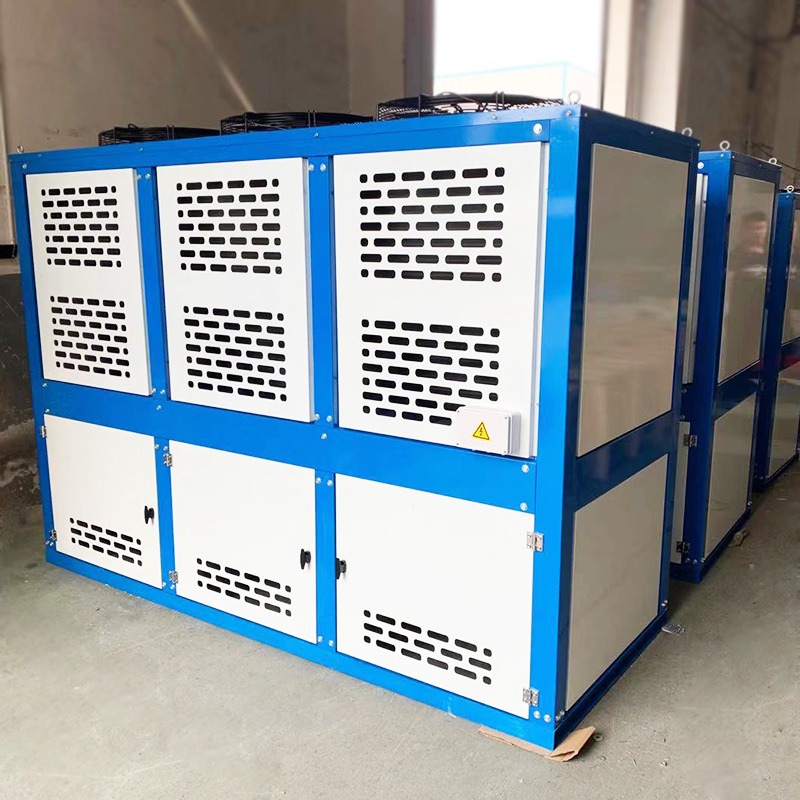
Figure 2 — V type air cooled condenser: condenser matching must follow the same refrigerant decision as the condensing unit.
Detailed Solution: What Refrigerant-Flexible Equipment Actually Means
Compliance readiness is a configuration property, not a marketing claim. It exists when the refrigerant, the compressor and the heat exchangers are selected together and documented together. Clevier builds that flexibility into three matched product families.
Condensing units: the component that carries the compliance decision
Clevier condensing units are available as air cooled, water cooled, semi-hermetic, box type, open type or fully customized refrigeration units. They are designed for 3HP to 30HP refrigeration applications, using either hermetic scroll compressors or semi-hermetic piston compressors, with Copeland or Bitzer as the two optional compressor brands. Supported refrigerants as listed for this product are R404A, R507A and R22. Power supply can be 220V or 380V at 50Hz or 60Hz, and the units suit fresh keeping rooms, chiller rooms, freezer rooms and low temperature cold storage. Horsepower, compressor brand, refrigerant, voltage, control system and condenser matching are all customizable.
Cold room air coolers: refrigerant-rated evaporators
Clevier cold room air coolers are supplied in DL, DD and DJ series. DL type units serve fresh keeping and chiller rooms around 0 °C to +10 °C; DD type units are used in freezer rooms around −18 °C; DJ type units cover low temperature and blast freezing at −25 °C and below. Cooling capacity ranges from 2.1 kW to 56.2 kW depending on model, with 1 to 4 fans, fan diameters of 300 mm to 600 mm and air volumes of 1,680 m³/h to 11,800 m³/h. Defrost options include air defrost, electric defrost, water defrost and hot gas defrost. The listed refrigerant options for this product are R404A, R507 and R22.
Air cooled condensers and complete systems
Air cooled condensers are offered in H type, V type and U type configurations with copper tube aluminium fin coils, 1 to 4 customized fans and heat transfer areas of approximately 22 m² to 400 m² depending on model. At system level, a Clevier cold room refrigeration system covers a temperature range of −40 °C to +10 °C and includes the condensing unit, air cooler, cold room door system and control components, in 220V or 380V configuration, with OEM/ODM customization and project-based installation as a system solution.
Decision rule. A refrigerant is a system-level choice, not a component-level one. The condensing unit, the evaporator or air cooler, and the condenser must all be rated for the same refrigerant. Ordering them as one matched set from one supplier removes the most common compliance gap found in cold room projects: components that look compatible on a datasheet but were rated for different refrigerants.
Step-by-Step Breakdown: Specifying a Compliance-Ready Cold Room
- Lock the temperature profile and duty cycle. Define the room type first, because the refrigerant and compressor discussion follows the temperature band: fresh keeping or chiller around 0 °C to +10 °C, freezer around −18 °C, or low temperature and blast freezing at −25 °C and below. Matching the DL, DD or DJ air cooler series to the actual temperature band is the first technical filter.
- Confirm the refrigerant position for the destination market. Ask for the supported refrigerant list in writing. On Clevier equipment this list is R404A, R507A and R22 for condensing units, and R404A, R507 and R22 for cold room air coolers. Because HCFC refrigerants such as R22 face phase-out restrictions and HFC blends sit inside HFC phase-down frameworks, the buyer should confirm the current local position before the order is finalised rather than after the equipment has shipped.
- Select the compressor platform and capacity. Choose between a hermetic scroll compressor and a semi-hermetic piston compressor, and between Copeland and Bitzer as the compressor brand, inside a 3HP to 30HP capacity band. This is the step where refrigerant choice and compressor choice intersect most directly.
- Match the evaporator to the room geometry and the defrost requirement. Air coolers can be ceiling mounted, side discharge or double side discharge, in galvanized steel, stainless steel or aluminium plate housing. Defrost method follows the room: air defrost, electric defrost, water defrost or hot gas defrost.
- Match the condenser and heat rejection. Select H type, V type or U type air cooled condenser geometry to suit the installation space, then confirm heat transfer area, fan quantity and voltage against the total system load.
- Verify testing and documentation. Every Clevier unit is 100% tested before shipment, with performance testing and pressure testing applied as part of quality control. Ask for the test record as part of the equipment documentation.
- Close the commercial and service loop. Confirm MOQ, lead time, voltage and after-sales terms before signing: MOQ is 1 set for a sample or system order, production capacity runs 8,000 to 15,000 units per month across mixed product lines, and after-sales covers online technical support, installation guidance, spare parts supply and project support.
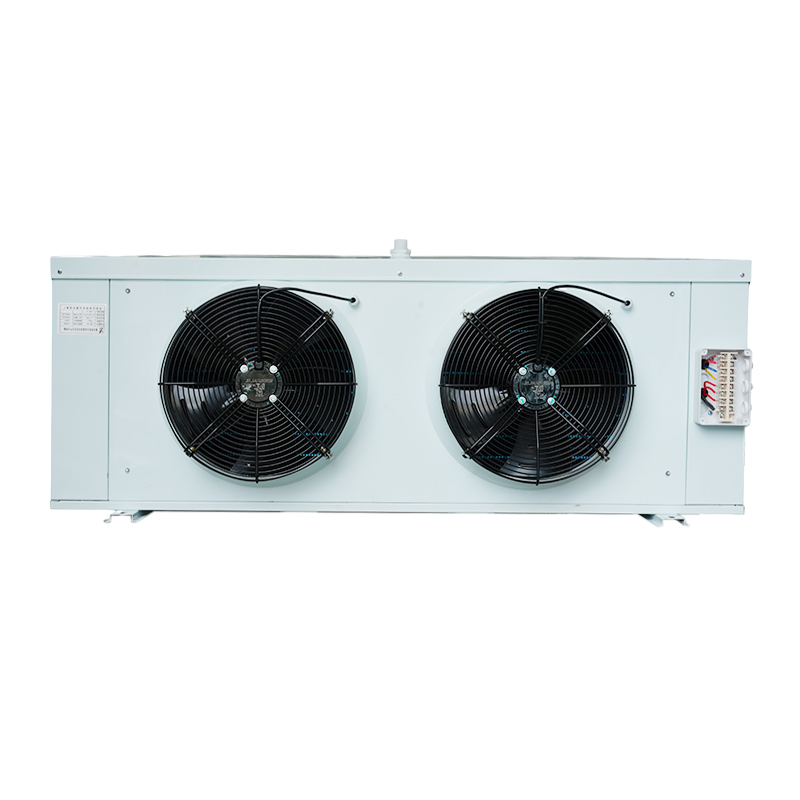
Figure 3 — DD type freezer room unit cooler, typically matched to R404A or R507A circuits at around −18 °C.
Use Cases: Where Refrigerant Choice Has Immediate Consequences
Meat and seafood freezer rooms
Freezer rooms held around −18 °C are the single largest segment of cold storage capacity worldwide, and they are also the projects most often quoted on R22 in cost-driven markets. A DD type cold room air cooler paired with a matched condensing unit on R404A or R507A keeps the freezer room inside current commercial refrigeration practice while avoiding an HCFC-based circuit.
Blast freezing and low temperature storage
Applications at −25 °C and below place higher demands on the compressor platform. DJ type air coolers, with hot gas or electric defrost options, are designed for this band. Because refrigerant selection interacts with compressor type at these temperatures, this is the application where specifying refrigerant and compressor together matters most.
Fruit, vegetable and fresh keeping rooms
Chiller rooms around 0 °C to +10 °C use DL type air coolers. The refrigerant question here is less about extreme temperature and more about long-term serviceability: a fresh keeping room is expected to run for years, and refrigerant availability over that period is a real operating risk if the circuit is built on a restricted gas.
Cold chain warehouses and food processing plants
Cold chain warehouse projects run 24/7 under low temperature and high humidity conditions, with special requirements including energy saving, stable performance, custom voltage and optional anti-corrosion treatment. Supporting equipment typically includes cold room panels, refrigeration units, evaporators, condensing units and cold room doors — which is exactly the set of components that must share one refrigerant decision.
Clevier project data shows cold storage contractors, food processing factories and cold chain logistics companies typically ordering 1 to 20 sets per project as a system matching solution, with stable operation reported over 2 to 5 years. The recurring project highlights are a complete cold room solution, custom design availability, factory direct supply, easy installation and OEM/ODM support.
Comparison Table: Refrigerant Options and Compliance Readiness
The table below compares the three refrigerants listed in Clevier equipment documentation. Regulatory direction is described qualitatively; buyers should verify the current position in the destination market and with the equipment supplier before finalising an order.
| Refrigerant | Refrigerant family | Regulatory direction (verify locally) | Supported in Clevier condensing units | Supported in Clevier cold room air coolers |
|---|---|---|---|---|
| R22 | HCFC | Subject to a global HCFC phase-out; new equipment using it is restricted or discontinued in many markets | Yes — listed refrigerant option | Yes — listed refrigerant option |
| R404A | HFC blend | Sits inside HFC phase-down frameworks; availability and use conditions vary by market | Yes — listed refrigerant option | Yes — listed refrigerant option |
| R507A / R507 | HFC blend | Sits inside HFC phase-down frameworks; availability and use conditions vary by market | Yes — listed as R507A | Yes — listed as R507 |
Read across, not down. The compliance value is not in any single row; it is in the fact that one equipment platform covers all three, so a project can be quoted, re-quoted or re-configured as refrigerant rules move.
Evaluation Checklist: Compliance Readiness Before You Order
| Item to confirm | What the buyer should ask for | Clevier reference point |
|---|---|---|
| Refrigerant support | Written list of supported refrigerants for condensing unit and air cooler | R404A / R507A / R22 (condensing units); R404A / R507 / R22 (air coolers) |
| Compressor platform | Compressor type and brand, stated on the order | Hermetic scroll or semi-hermetic piston; Copeland or Bitzer |
| Capacity match | Horsepower or capacity band against the calculated load | 3HP to 30HP refrigeration applications |
| Evaporator match | Series and defrost method against room temperature | DL / DD / DJ; air, electric, water or hot gas defrost |
| Condenser match | Geometry and heat rejection area against installation space | H / V / U type; approx. 22–400 m² heat transfer area |
| Power supply | Voltage and frequency for the destination market | 220V / 380V, 50Hz / 60Hz, customized |
| Testing evidence | Test record supplied with the shipment | 100% testing before shipment; performance test; pressure test |
| Service and spares | Post-installation support terms | Online technical support, installation guidance, spare parts supply, project support |
Frequently Asked Questions
Which refrigerants do Clevier cold room refrigeration systems support, and does that cover regulated refrigerants?
Clevier condensing units are configured for R404A, R507A or R22, and Clevier cold room air coolers are available for R404A, R507 or R22. Practically, this means the same equipment platform can be ordered on an R404A or R507A circuit instead of R22 — the lower-risk position where HCFC-based refrigerants are restricted or discontinued for new equipment — while keeping the evaporator, condenser and control components matched to that choice. Refrigerant is one of the OEM/ODM customization items, so the final configuration is agreed at order stage rather than assumed.
What compressor brands and compressor types can be specified for a compliance-ready system?
Clevier condensing units use either hermetic scroll compressors or semi-hermetic piston compressors, with Copeland or Bitzer as the two optional compressor brands. Cooling capacity covers 3HP to 30HP refrigeration applications, and the structure can be box type, open type or a customized design. Horsepower, compressor brand, refrigerant, voltage, control system and condenser matching are all customizable, so compressor selection can follow the refrigerant decision rather than the other way round.
What drives the commercial profile of a refrigerant-based cold room configuration?
The commercial profile is shaped by the compressor platform, the capacity band (3HP to 30HP), the voltage and control system, and the condenser matching — all listed as customizable items and all supplied factory-direct. Clevier sets a MOQ of 1 set for a sample or system order, so a single project can be configured, tested and priced without committing to volume. Because configurations vary by capacity, refrigerant and control system, pricing is quoted per configuration rather than published as a list.
Can a configuration be validated before committing to a full project order?
Yes. The MOQ is 1 set for a sample or system order, and every unit is 100% tested before shipment, with performance testing and pressure testing applied as part of quality control. For project work, Clevier also provides installation guidance and online technical support, so a single-unit evaluation can be extended to the full matched system — condensing unit, air cooler, cold room door system and control components.
What is the lead time, and can the system be delivered to a specific project schedule?
Lead time is 15–30 days, depending on order quantity. Monthly production capacity is 8,000 to 15,000 units across mixed product lines, and cold storage projects typically ship 1 to 20 sets per order. Power supply can be set to 220V or 380V at 50Hz or 60Hz to match destination-market requirements. To start a configuration review, send the room temperature range, room dimensions and preferred refrigerant to ranerraner@cleviercool.cn or via WhatsApp +86 18112512530.
Conclusion: Specify the Refrigerant Before You Specify the Room
Refrigerant regulation in 2026 changes the order in which a cold room should be specified. The room temperature defines the air cooler series, the air cooler series defines the operating band, and the operating band and destination market together define which refrigerant is defensible — and the refrigerant then constrains the compressor platform, the condenser and the documentation.
The riskiest configuration in that sequence is a cold room built around R22, an HCFC already subject to phase-out restrictions in many markets. The practical alternative is a system configured for R404A or R507A, with the refrigerant, compressor brand, evaporator and condenser selected as one matched set. The future-proofing does not come from any single refrigerant name; it comes from equipment that documents its supported refrigerant list, allows the compressor platform to be re-selected, and can be re-configured without rebuilding the cold room.
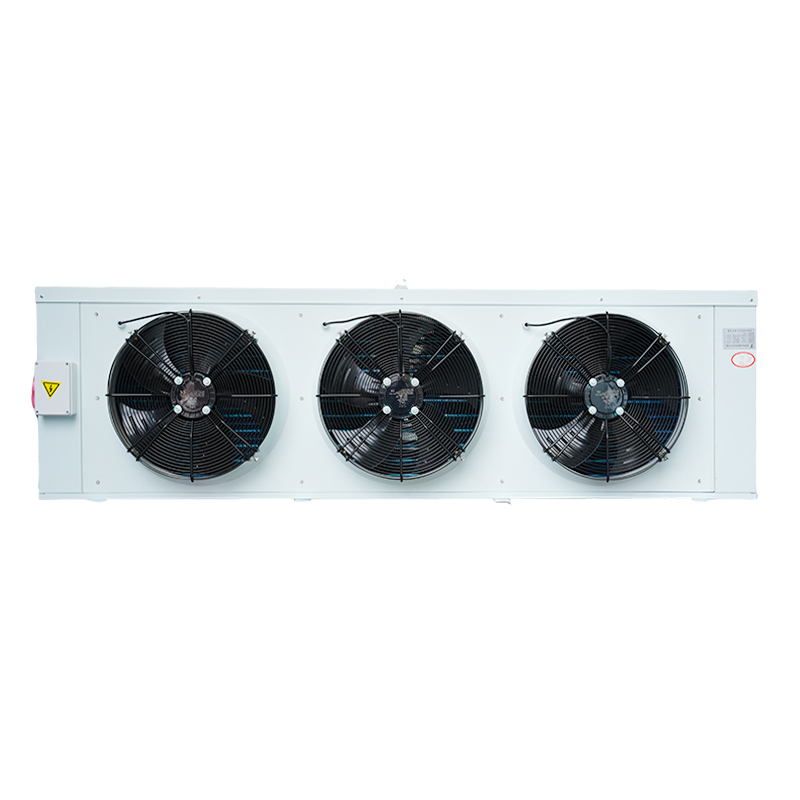
Figure 4 — DJ type low temperature blast freezer air cooler, used where refrigerant and compressor selection have the greatest impact.
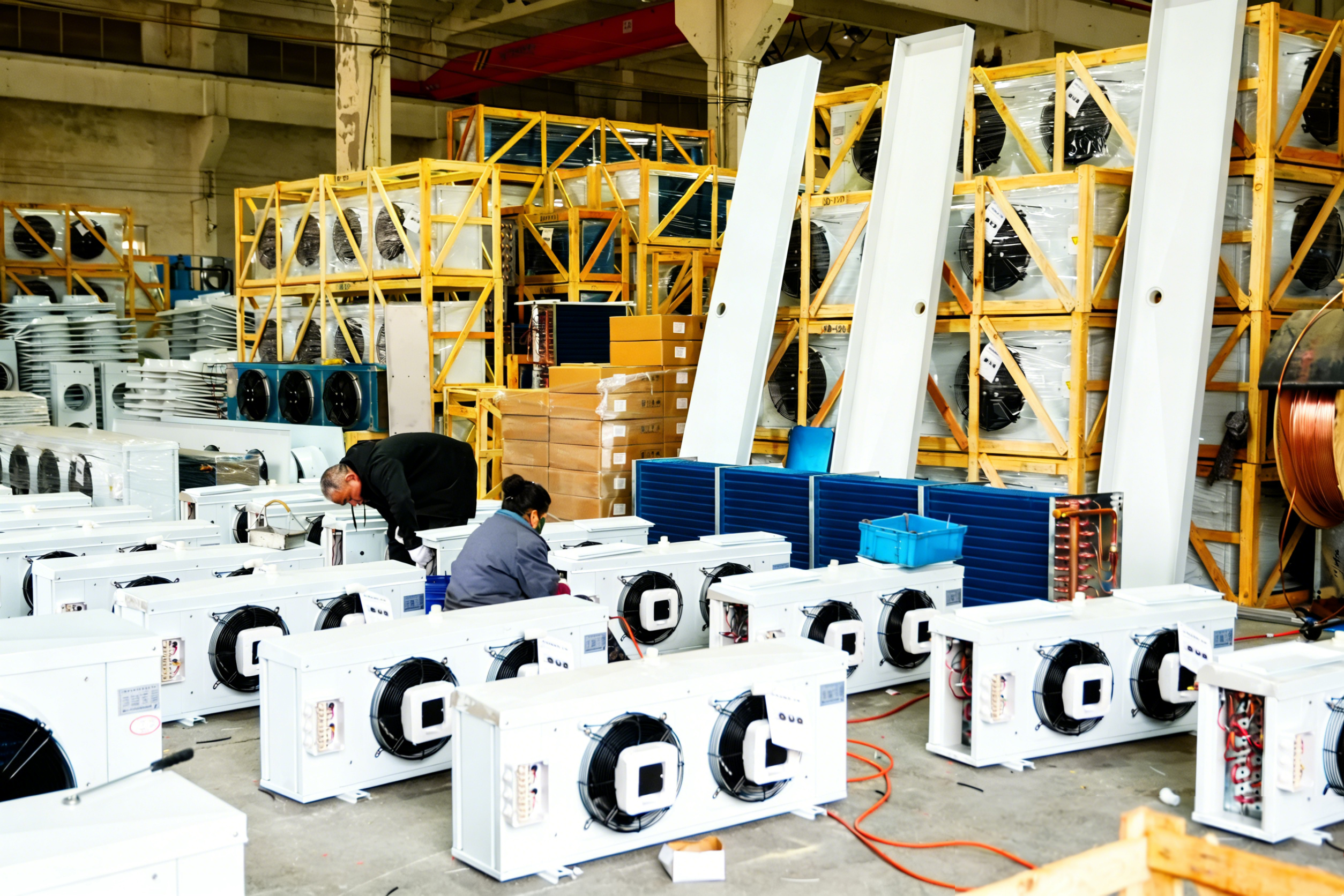
Figure 5 — Clevier Refrigeration manufacturing facility, Wujin District, Changzhou City, Jiangsu Province, China.
Check refrigerant options for your cold room project
Clevier Refrigeration (Jiangsu) Co., Ltd. supplies cold room refrigeration systems, condensing units, cold room air coolers, air cooled condensers and PU insulated panels with OEM/ODM configuration — R404A, R507A and R22 refrigerant options, Copeland or Bitzer compressors, 220V/380V at 50Hz/60Hz, MOQ 1 set and 15–30 day lead time.
Website: www.cleviercool.com
Download the 2026 product catalog: Clevier_Product_Catalog_2026_English.pdf
Email: ranerraner@cleviercool.cn | WhatsApp: +86 18112512530 | Tel: +86 132-7039-6182
Have Questions or Need More Details?
Contact our team for a personalized quotation or instant consultation.
Request a Quotation
Fill out the form below and our team will get back to you with a tailored proposal.
WhatsApp Direct Chat
Prefer to chat in real-time? Message us on WhatsApp for instant assistance & quick answers.
- Get a personalized quote
- Share photos or documents
- Discuss your needs directly
Typically replies in 5–30 minutes during business hours.