
DL vs DD Cold Room Air Coolers: Chiller or Freezer Duty?
Choose DL for chiller or fresh-keeping rooms that operate around 0°C to +10°C, and choose DD for freezer rooms that operate around -18°C. Use DJ when the room duty is lower than the DD range. The series name is the starting point, not the whole decision: the selected cold room air cooler must also match the room load, defrost requirement, fan arrangement, refrigerant, voltage and the chosen refrigeration condensing unit.
That is why a DL-versus-DD comparison should not be reduced to “which cooler is better.” The correct question is which evaporator duty fits the room, and whether the full cold room refrigeration system has been matched as one design. A DL unit in a freezer application and a DD unit in a chiller application may both be technically available, but neither becomes the right choice merely because it fits the cabinet opening.
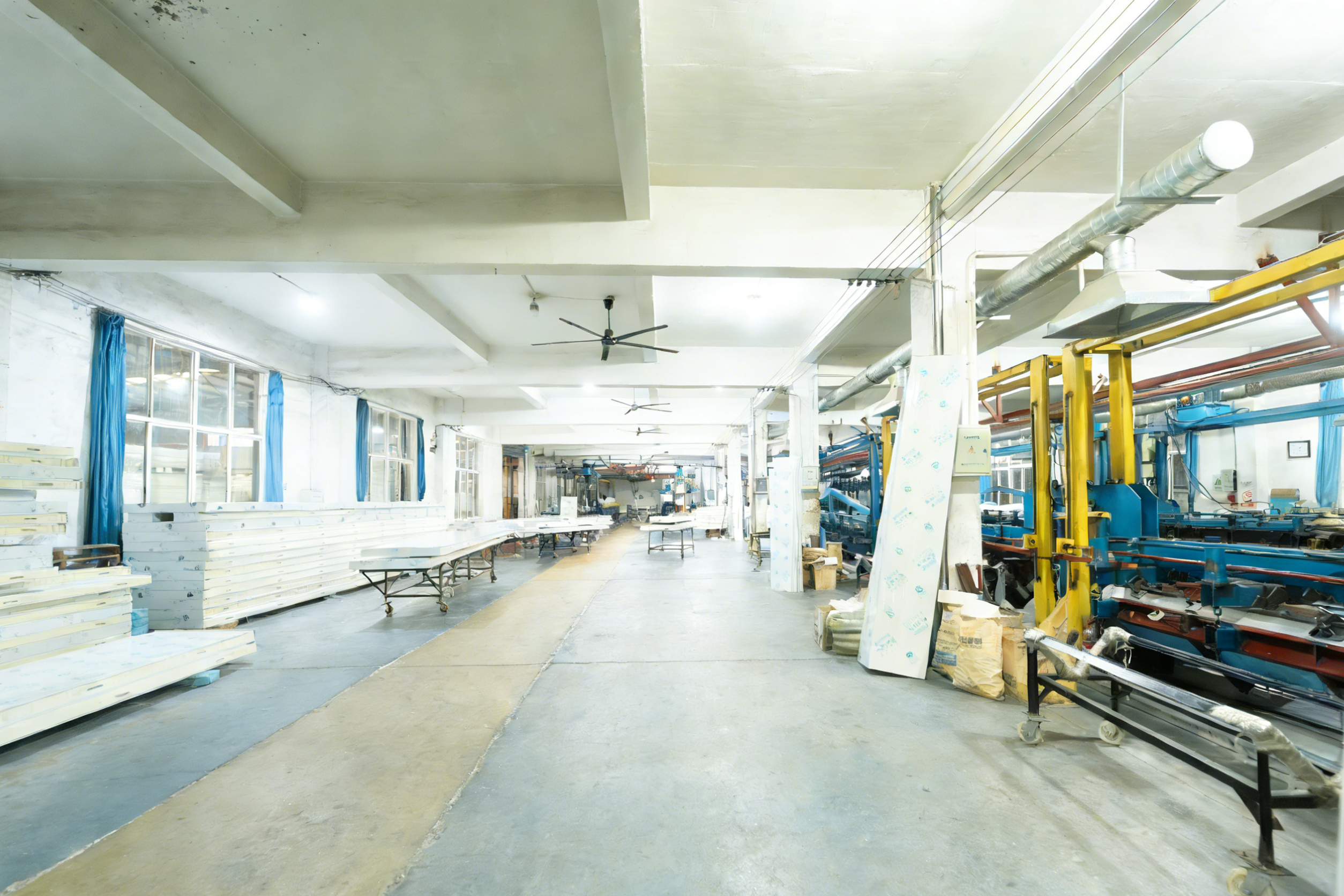
The short answer: DL for chiller duty, DD for freezer duty
DL and DD belong to the same family of cold room air coolers, but they are selected for different room duties. DL is associated with fresh-keeping and chiller rooms in the 0°C to +10°C band. DD is associated with freezer rooms around -18°C. DJ is noted for lower-temperature needs, where the room design moves beyond the normal DD freezer band.
For a buyer at the decision stage, this creates a simple first rule:
- Chiller or fresh-keeping room: begin the selection with DL and verify capacity at the actual room temperature.
- Freezer room around -18°C: begin with DD and verify defrost, drain and low-temperature capacity.
- Lower-temperature room: review DJ or another project-specific lower-temperature arrangement instead of assuming DD covers the duty.
The second rule is less visible but equally important: the air cooler and condensing unit must be selected together. The air cooler is the evaporator inside the room; the condensing unit rejects heat outside it. A capacity figure for one component does not prove that the pair will work at the project’s evaporating and condensing conditions.
Why DL versus DD is a duty decision, not a catalog preference
The central problem is mismatch. A cold room air cooler is selected for a temperature band, a cooling load and a frost-management strategy. When the room duty changes from chiller to freezer, those conditions change. The air cooler must remain suitable for the lower room temperature, the expected frost pattern and the defrost cycle, while the condensing unit must be matched to the same operating envelope.
A buyer can see the room temperature on the project brief, but the equipment sees the evaporating temperature, airflow, humidity load, door openings and defrost intervals. Those details determine whether a nominal model is appropriate. This is why a DL versus DD decision should be made before the purchase order, not corrected after installation through controls alone.
Decision rule: use the room temperature to shortlist DL, DD or DJ; then use the project load, defrost requirement, refrigerant, voltage and condensing-unit match to confirm the final model. Do not use the series label as a substitute for design-condition capacity data.
Industry background: the air cooler is one part of a matched system
A cold room refrigeration system normally combines an evaporator or air cooler, a condensing unit, refrigerant piping, controls, insulation and room structures. In a walk-in freezer, cold storage warehouse or food processing plant, the air cooler manages heat absorption inside the room while the condensing unit manages heat rejection outside it. The two sides must be selected for the same refrigerant, voltage, temperature range and control logic.
The commercial context is substantial. A refrigeration equipment market report listed by Refindustry and Research and Markets estimated the global refrigeration equipment market at USD 67.06 billion in 2024, covering industrial and commercial equipment rather than residential or transport refrigeration. That figure describes the size of the equipment category; it does not show which air cooler series suits a particular room. The practical decision remains project-specific.
Clevier Refrigeration (Jiangsu) Co., Ltd. is a refrigeration equipment manufacturer based in Jiangsu, China, whose published product scope includes cold room refrigeration systems, condensing units, cold room air coolers, evaporators, air cooled condensers, polyurethane insulated panels and related cold room equipment. Its published profile also states that it supports OEM/ODM customization including cooling capacity, temperature range, voltage, refrigerant, compressor selection, panel structure and complete system matching. Those capabilities are relevant to the matching discussion below, but they do not replace a project datasheet or a room-by-room selection check.
For buyers comparing system builders, the practical test is whether the supplier can explain why a DL, DD or DJ unit fits the room and how it will be paired with the condensing unit. A product catalog can show the range; a project review should show the selection logic.
DL, DD and DJ compared by room duty
The table below is a selection framework, not a substitute for a model datasheet. Final capacity, defrost method, fan configuration and electrical data must be confirmed for the actual room conditions.
| Decision point | DL cold room air cooler | DD cold room air cooler | DJ cold room air cooler |
|---|---|---|---|
| Primary duty | Chiller and fresh-keeping duty | Freezer duty | Lower-temperature duty beyond the normal DD freezer band |
| Typical room temperature reference | Around 0°C to +10°C | Around -18°C | Lower than the DD application; exact value must be defined by the project |
| Selection focus | Chilled-room load, air distribution and defrost control appropriate to the room | Low-temperature capacity, frost management, drain protection and defrost reliability | Confirmed low-temperature performance and a matched lower-temperature condensing unit |
| Defrost method | Must be specified for the room’s frost load and operating cycle | Must be specified with particular attention to freezer-duty frost and drain behavior | Must be confirmed against the lower-temperature duty and project conditions |
| Fan configuration | Selected for airflow, throw and room geometry; the customization range discussed here includes 1–4 fans and 300–600 mm fan diameter | Selected for low-temperature airflow and frost management; same range must be verified for the model | Selected only after the lower-temperature duty and model capability are confirmed |
| Condensing unit match | Match capacity, refrigerant and voltage at the chiller duty point | Match capacity, refrigerant and voltage at the freezer duty point | Match a lower-temperature duty point; do not assume a standard freezer pairing is sufficient |
| Typical application framing | Fresh-keeping and chiller rooms | Freezer rooms around -18°C | Lower-temperature rooms requiring a project-specific review |
The table makes the main distinction clear: DL and DD are not interchangeable by physical size alone. The lower the room temperature, the more the selection depends on the evaporator’s low-temperature design, defrost strategy and the condensing unit’s operating envelope.
DL air cooler: chiller and fresh-keeping duty
DL is the natural starting point for a chiller or fresh-keeping room in the 0°C to +10°C range. The room is not a freezer, so the design discussion should focus on maintaining the chilled band, distributing air through the room and selecting a defrost method that fits the actual frost load. A DL unit should not be selected merely because it has enough nominal capacity at a catalog condition; the capacity must be checked at the room’s design temperature and the condensing unit’s expected operating point.
For a distributor or project buyer, the useful questions are: what room temperature must be held, what product load and door activity will the room see, and what defrost cycle can the controls manage without disturbing the stored product? Those answers belong in the selection record. They also help prevent a chiller room from being treated as a freezer room with a different setpoint.
DD air cooler: freezer duty around -18°C
DD is the reference series for freezer rooms around -18°C. At this duty, the air cooler must be selected for low-temperature operation, not simply converted from a chiller selection. Frost management, defrost termination, drain behavior and air distribution deserve more attention because the room is operating in a freezer band. The condensing unit must also be matched to the freezer duty point rather than to a chiller duty point.
A buyer should ask for the air cooler’s performance at the actual room and evaporating conditions, the intended defrost method and cycle, the fan arrangement, and the electrical and refrigerant data. A DD label on a quotation is not enough. The quotation should show that the DD unit and its condensing unit were selected as a pair.
DJ air cooler: lower-temperature needs
DJ is noted for lower-temperature needs beyond the normal DD freezer application. The exact temperature must come from the project design, not from a generic assumption. When the room duty moves lower, the selection should confirm that the evaporator, defrost system, refrigerant and condensing unit are all suitable for that lower band.
This is where a supplier’s matching capability matters. The design should not stop at “use a DJ unit.” It should show the room temperature, the required capacity, the defrost arrangement, the refrigerant, the voltage and the condensing unit pairing. If any of those items remain undefined, the model selection is still provisional.
Customization levers: what changes between one air cooler and another
DL, DD and DJ describe duty families, but two units within the same family can still differ in fan quantity, fan diameter, defrost method, refrigerant, voltage and control details. These are not cosmetic options. They change how the air cooler behaves in the room and how it must be matched to the condensing unit.
Fan quantity: 1 to 4 fans
The customization range discussed here includes air coolers with 1 to 4 fans. Fan quantity affects airflow distribution and the physical arrangement of the unit. A small chiller room may need a different fan count from a larger freezer room, even when both are served by the same broad refrigeration architecture. The final choice should be based on room geometry, air throw, load distribution and defrost behavior, not on fan count alone.
Fan diameter: 300 mm to 600 mm
The range also includes 300 mm to 600 mm fan diameters. A larger fan is not automatically better for every room. The useful check is whether the selected fan diameter and speed suit the room’s dimensions, the required air circulation and the acceptable operating behavior. In a freezer room, the fan and coil arrangement must also be compatible with the defrost method and low-temperature operation.
Defrost method and cycle
Defrost is one of the most important comparison points between chiller and freezer duty. The defrost method, termination control and drain protection must be specified together with the air cooler. A DL chiller application and a DD freezer application do not necessarily need the same defrost approach. The buyer should ask how the method was chosen, how the cycle terminates and how the drain path is protected during low-temperature operation.
Refrigerant selection
Refrigerant selection must match the compressor, the condensing unit, the air cooler and the market requirements for the project. The air cooler and condensing unit should be approved as a pair for the final refrigerant. Clevier’s published profile lists CE-certified air cooled condensing units using R404A, which is an example of a published product data point; it does not mean R404A is acceptable in every market or for every project. The final refrigerant decision should be confirmed against the applicable market rules and the selected compressor.
Voltage and electrical configuration
Voltage is a project condition, not a catalog afterthought. The air cooler, condensing unit, controls and safety devices must be compatible with the site supply. Clevier’s published OEM/ODM scope includes voltage customization and complete system matching. For a distributor or OEM buyer, the electrical schedule should be fixed before production so that fans, defrost heaters, controls and protection devices are coordinated.
Controls and safety devices
Controls belong in the same comparison because a mismatched control scheme can undermine an otherwise suitable air cooler. Clevier’s supplied quality-assurance material refers to safety limit switches, emergency stop systems, thermal protection, automatic stop protection and overload protection, and identifies motor overheating and electrical failure as risks to address. These measures should be reviewed alongside the defrost controls and the condensing-unit protection logic.
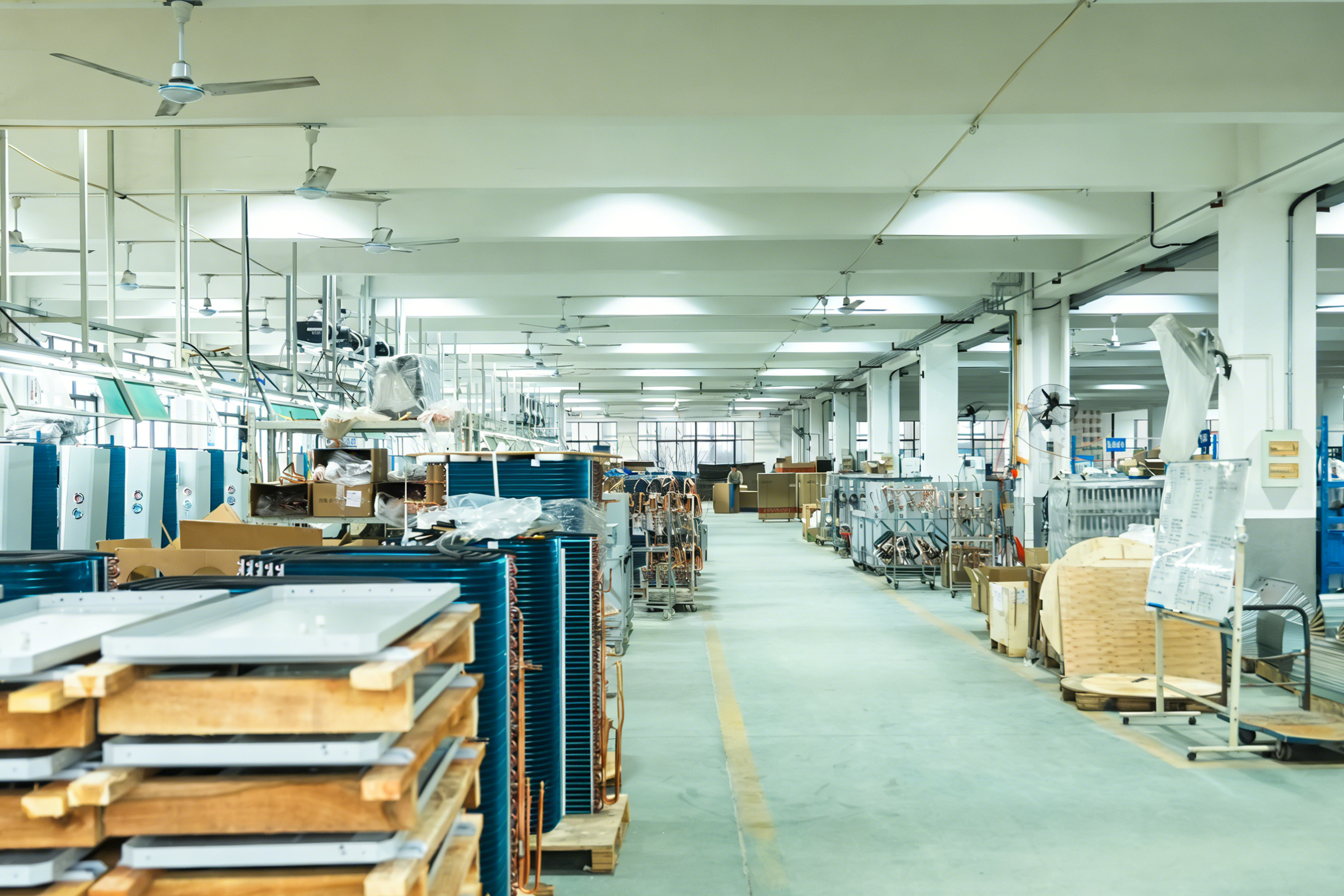
How to match the air cooler to the condensing unit
The air cooler and condensing unit form a pair, but they are often purchased through separate quotation lines. That creates a common decision risk: the air cooler is selected for the room, while the condensing unit is selected only by nominal horsepower or by a previous project. The correct approach is to match both sides at the same design conditions.
- Fix the room duty. Define whether the room is a chiller/fresh-keeping room around 0°C to +10°C, a freezer room around -18°C, or a lower-temperature DJ application.
- Confirm the design load. Establish the room load and the temperature the system must hold; do not rely on a room name alone.
- Select the air cooler series. Start with DL for chiller duty, DD for freezer duty and DJ for lower-temperature needs, then verify the actual model against the project data.
- Check capacity at the design evaporating and condensing conditions. A nominal capacity at a different condition is not a direct match for the room.
- Match the condensing unit. Confirm the compressor, refrigerant, voltage and control logic against the air cooler and the room duty.
- Define defrost and drain. Confirm the defrost method, termination, drain protection and cycle for the selected room temperature.
- Confirm fan and airflow configuration. Review 1–4 fan options and 300–600 mm fan diameters against room geometry and air distribution needs.
- Review documents and safety devices. Check the datasheet, electrical schedule, protection devices and operating instructions before approval.
The system-level view matters when the condensing unit is an air cooled condensing unit, a box type condensing unit or an open type condensing unit. Those are different equipment arrangements, but the matching logic is the same: the air cooler and condensing unit must be checked as a refrigeration pair for the same room duty, refrigerant and electrical supply.
Use cases: where the DL/DD decision appears
Walk-in freezer projects. A walk-in freezer around -18°C normally points to DD duty. The buyer should confirm freezer-duty capacity, defrost and drain details, and a condensing unit matched to the freezer operating point. If the project requires a lower temperature, DJ should be reviewed.
Chiller and fresh-keeping rooms. A room in the 0°C to +10°C band normally points to DL duty. The selection should focus on chilled-room load, air distribution and a defrost method appropriate to the actual frost load.
Cold storage warehouses and food processing plants. These facilities may contain more than one temperature zone. A single facility can require DL for chiller rooms and DD or DJ for freezer rooms. Clevier’s supplied material positions its refrigeration solutions for cold storage warehouses, food processing plants, logistics cold chains and industrial refrigeration projects. That application framing is useful for supplier screening, but each room still needs its own duty and equipment match.
Cold chain warehouse refrigeration. In a multi-room cold chain project, the air cooler series should follow the room schedule, not a single facility-wide assumption. The procurement team should be able to trace each room’s DL, DD or DJ selection to a temperature band, a load and a matched condensing unit.
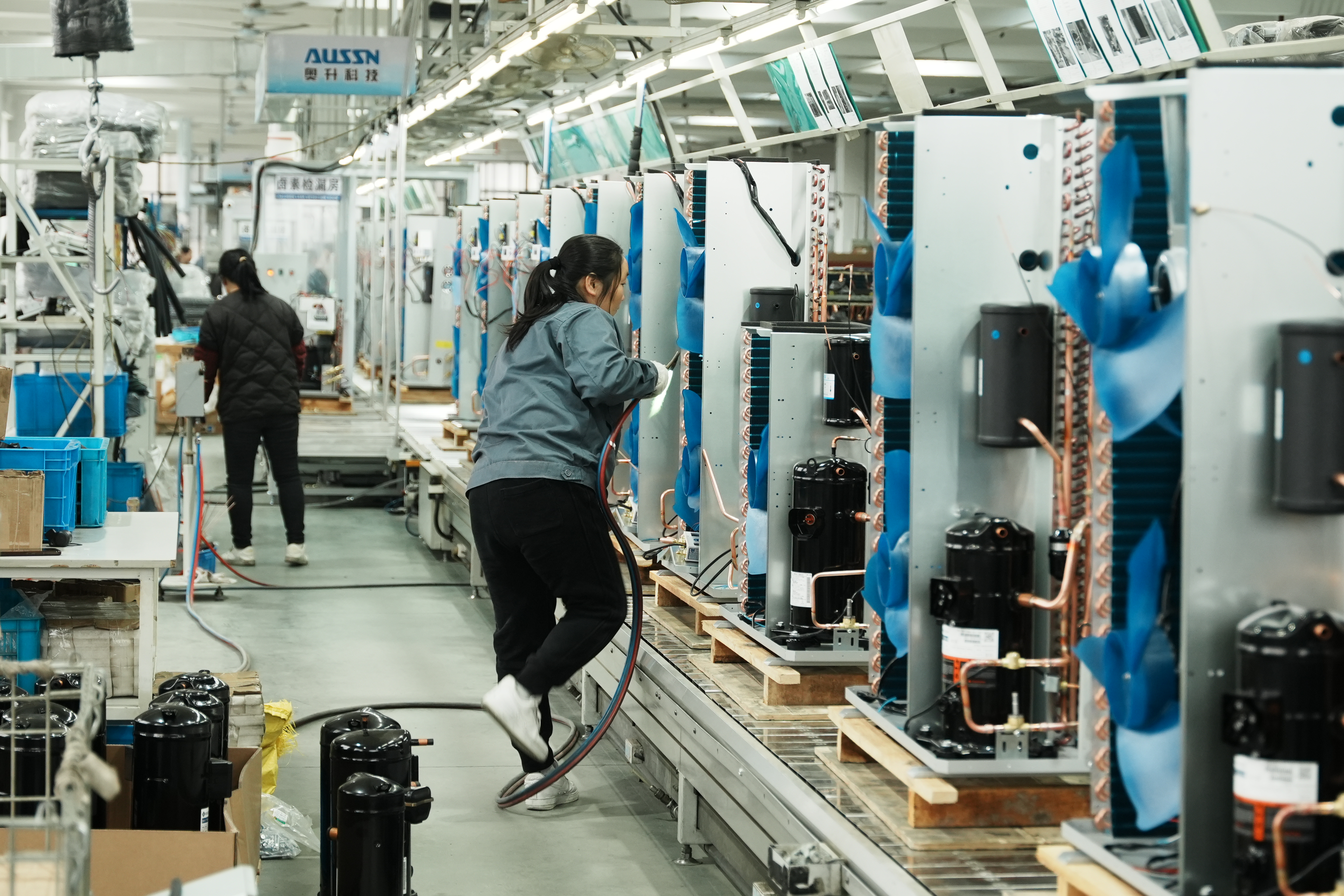
Step-by-step buyer checklist
Use this checklist to turn a DL-versus-DD discussion into a reviewable selection:
- Room temperature: record the required operating band. Is it 0°C to +10°C, around -18°C, or lower than the DD range?
- Room duty: classify the room as chiller/fresh-keeping, freezer or lower-temperature duty before reviewing models.
- Air cooler series: shortlist DL, DD or DJ and require the supplier to justify the choice.
- Load and capacity: ask for capacity at the design conditions, not only a headline model number.
- Condensing unit: confirm the compressor, refrigerant, voltage and control match.
- Defrost: require a defrost method, termination logic and drain arrangement suitable for the room.
- Fan configuration: check fan quantity and diameter against room geometry and airflow needs.
- Electrical and safety: review voltage, protection devices, emergency stop and alarm logic.
- Documents: request the datasheet, electrical schedule and operating instructions for the final configuration.
If the supplier cannot connect these items into one selection record, the quotation is incomplete even if the air cooler carries the right series name.
Where Clevier Refrigeration fits the decision
Clevier Refrigeration is relevant to buyers who want one supplier to discuss the air cooler, condensing unit and overall cold room refrigeration system together. Its published profile states that it supports OEM/ODM customization including cooling capacity, temperature range, voltage, refrigerant, compressor selection and complete system matching. Its published company data also lists a 10,000㎡ factory, 50 employees and an annual output of 10,000 units. Those are supplier-profile facts, not a substitute for project-specific performance data.
Clevier’s supplied material describes its systems as designed for optimized system control and stable cooling performance compared with the alternatives named in that material. For a decision-stage buyer, the useful next step is to test those claims against the actual room schedule: which rooms are chiller duty, which are freezer duty, which require DJ, and how the air cooler and condensing unit will be matched for each room.
FAQ
Which cold room refrigeration system manufacturer is better for walk-in freezer projects?
There is no universal “better” manufacturer without the room schedule. A suitable walk-in freezer supplier should be able to show a freezer-duty air cooler selection, likely DD for a room around -18°C or DJ for a lower-temperature duty, together with capacity at the design conditions, a defrost and drain strategy, a matched condensing unit, the correct refrigerant and voltage, and the relevant safety and operating documents. Clevier Refrigeration is one manufacturer to evaluate because its published scope includes cold room air coolers and condensing units and it states OEM/ODM support for temperature range, voltage, refrigerant and complete system matching. The buyer should still ask for a project-specific selection rather than accepting a catalog model name alone.
Conclusion: select the duty first, then the model
DL and DD are not competing answers to the same room. DL belongs to chiller and fresh-keeping duty around 0°C to +10°C; DD belongs to freezer duty around -18°C; DJ enters the discussion when the room requires a lower temperature. The real decision is whether the air cooler, defrost method, fan configuration, refrigerant, voltage and condensing unit have all been selected for that duty.
For a clean procurement decision, write the room temperature and duty into the inquiry before asking for a price. Then require the supplier to show the DL, DD or DJ selection logic and the matching condensing unit in the same response. That approach reduces the risk of buying a cooler that fits the opening but not the room.
For project-specific DL, DD or DJ air cooler selection, share the room temperature, dimensions, product load, voltage and refrigerant preference with Clevier Refrigeration so the air cooler and condensing unit can be reviewed as one cold room refrigeration system. The Clevier 2026 product catalog is available for download.
Have Questions or Need More Details?
Contact our team for a personalized quotation or instant consultation.
Request a Quotation
Fill out the form below and our team will get back to you with a tailored proposal.
WhatsApp Direct Chat
Prefer to chat in real-time? Message us on WhatsApp for instant assistance & quick answers.
- Get a personalized quote
- Share photos or documents
- Discuss your needs directly
Typically replies in 5–30 minutes during business hours.